Guarneri Hall becomes a lab for Conrad Tao’s digital experiments in Nova Linea Musica’s season opener
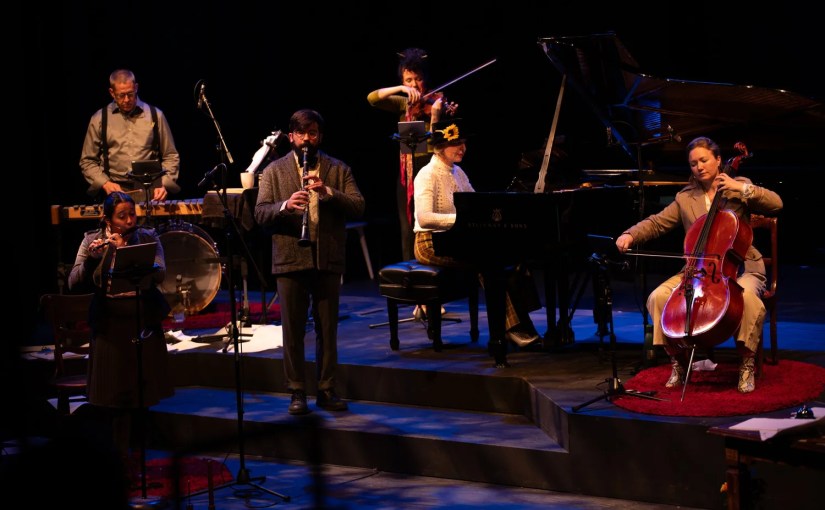

On Wednesday evening at Guarneri Hall, Nova Linea Musica opened its 2025–26 season with a recital by Conrad Tao, the pianist-composer who has become something of a shapeshifter in the classical music world. The Illinois native was back by popular demand. Last season featured one of his compositions, and this time he performed a program called “Echoes and Algorithms.” Nova Linea itself has doubled its offerings from last year, a modest sign that Chicago’s appetite for the new and the unexpected is holding steady.

Tao’s title proved apt. What he assembled was less a tidy recital than a set of experiments, blending  piano, electronics, and computer interjections and blurring the distinctions between them. The pieces often felt more like commentary instead of argument, collisions more than resolutions. The evening explored the ongoing negotiations between technology and society, artists, and Tao himself.

Continue reading Guarneri Hall becomes a lab for Conrad Tao’s digital experiments in Nova Linea Musica’s season opener
Fall highlights from Chicago’s 25/26 classical music season

Labor Day has passed, taking with it the last illusions of summer leisure. What follows, as reliably as the shortening days, is the arrival of a new classical music and opera season. Chicago’s 2025–26 offerings promise the usual abundance of repertoire and revivals, along with a handful of events that seem more like occasions than routine schedulings.

Conrad Tao and Catalyst Quartet, Nova Linea Musica – September 10; December 3

In its second season, Nova Linea Musica continues to make the case that contemporary music deserves a place not at the margins but at the center of Chicago’s concert life. The opening recital belongs to Conrad Tao, a pianist who has built his career less on institutional endorsements than on his own iconoclastic instincts. Tao programs like someone unwilling to pander: a premiere by the Chicago composer Chris Mercer, a piece of his own, and music by Jürg Frey and Ben Nobuto suggest he’s more interested in probing the present than reassuring the past.

Continue reading Fall highlights from Chicago’s 25/26 classical music season

Experience Handel’s Water Music on the Chicago River

After last year’s debut, Music of the Baroque is bringing back The Chicago Water Music to the Chicago River on Wednesday, September 10th. Dame Jane Glover will once again lead the ensemble from aboard the “Bright Star” as it travels from Ogden Slip to Merchandise Mart, but this year comes with an ambitious new twist: a citywide singalong.

The program follows the same winning formula: highlights from Handel’s Water Music and Music for the Royal Fireworks, plus choral favorites, but adds “Hallelujah, Chicago,” inviting the entire city to join in singing the “Hallelujah” Chorus from Messiah.

Continue reading Experience Handel’s Water Music on the Chicago River

Music of the Baroque’s Theodora is free to view for a limited time

In the lead up to Music of the Baroque’s emerald anniversary season, they are making last season’s performances free to view for a limited time. This week, Handel’s Theodora is on offer.

Handel’s Theodora isn’t one of his most frequently performed works, but those who know it tend to hold it close. Premiered in 1750 and largely overlooked in its day, this oratorio trades the grandiosity of Messiah for something more poignant and intimate. It tells the story of a Christian martyr and her Roman lover, not with bombast, but with music of startling tenderness and quiet strength. Music of the Baroque’s performance invites a fresh hearing of a work that Handel himself considered one of his best.

Catch it while you can.

Berkshire Record Outlet calls it quits

An unfortunate email arrived in my inbox yesterday from the folks who run Berkshire Record Outlet:

Dear fellow music-lovers,

The time has come to announce our closure within the next sixty days. In the interim, we have a backlog of new and restocked titles that we plan to offer you via our usual updates, in preparation for the subsequent sale of the entire inventory to a consortium of wholesalers.

With one exception, we’re all well past retirement age, and the challenges of running a niche business in the year 2025 are more than this near octogenarian is willing to confront. In short, after fifty-one years, we bid you farewell.

Thank you all for your patronage.

Best wishes,

Joe Eckstein

Continue reading Berkshire Record Outlet calls it quits

Summer Listening: Beethoven, Haydn and Rush Hour Concerts

We are deep into Classical Music Chicago’s Rush Hour Concert season now, and this series continues to prove itself as one of the best deals for classical music lovers in a city starved for a decent chamber music scene. For those who haven’t been able to attend in person, I’ve pulled together a few standout performances from this season’s YouTube archive.

While these recordings offer a wonderful glimpse into the series, nothing quite matches the immediacy and warmth of experiencing live chamber music in an intimate setting like St. James Cathedral . The good news? There are still several concerts left in the season, including the Chen Quartet’s July 29th performance premiering a new work by Augusta Read Thomas and the season finale on August 19th featuring Dvorak’s Serenade for Winds. Two excellent opportunities to discover why Rush Hour Concerts are such an essential part of Chicago’s summer classical music landscape.

In the meantime, if you’re catching up, don’t miss Matthew Lipman’s lyrical take on Brahms’s two viola sonatas or the Kontras Quartet’s engaging performances of Ives and Terry Riley—both are well worth your time.

Continue reading Summer Listening: Beethoven, Haydn and Rush Hour Concerts

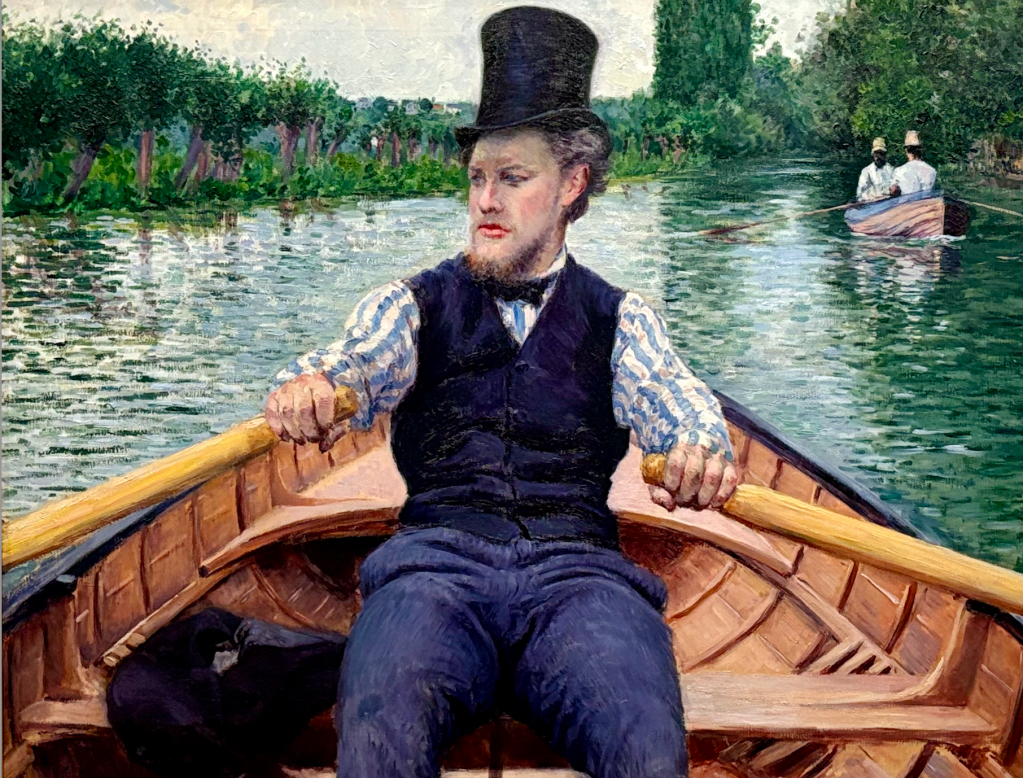
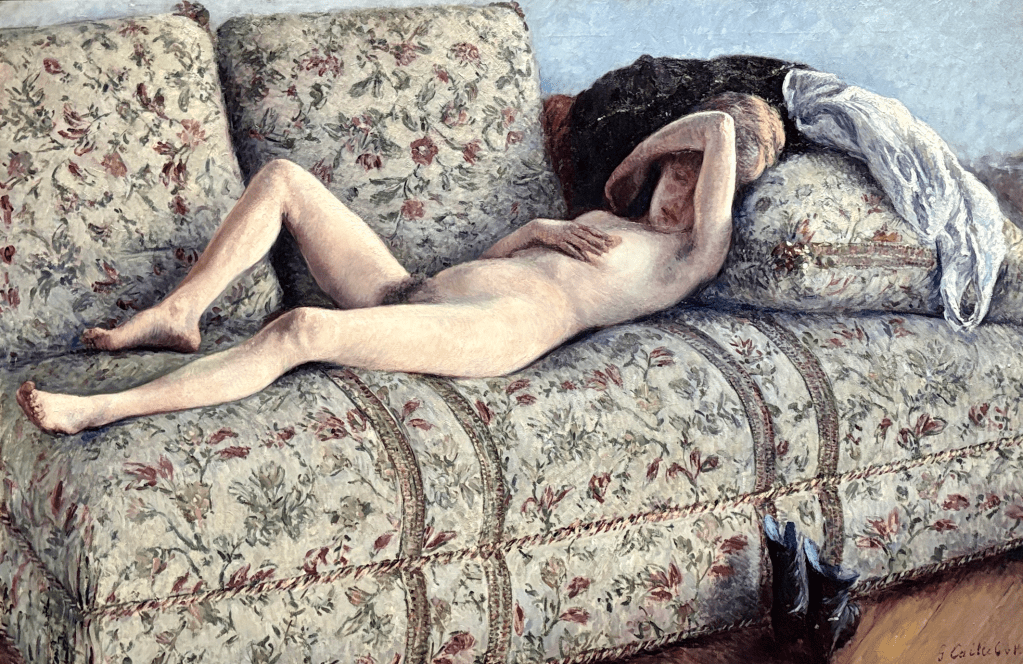
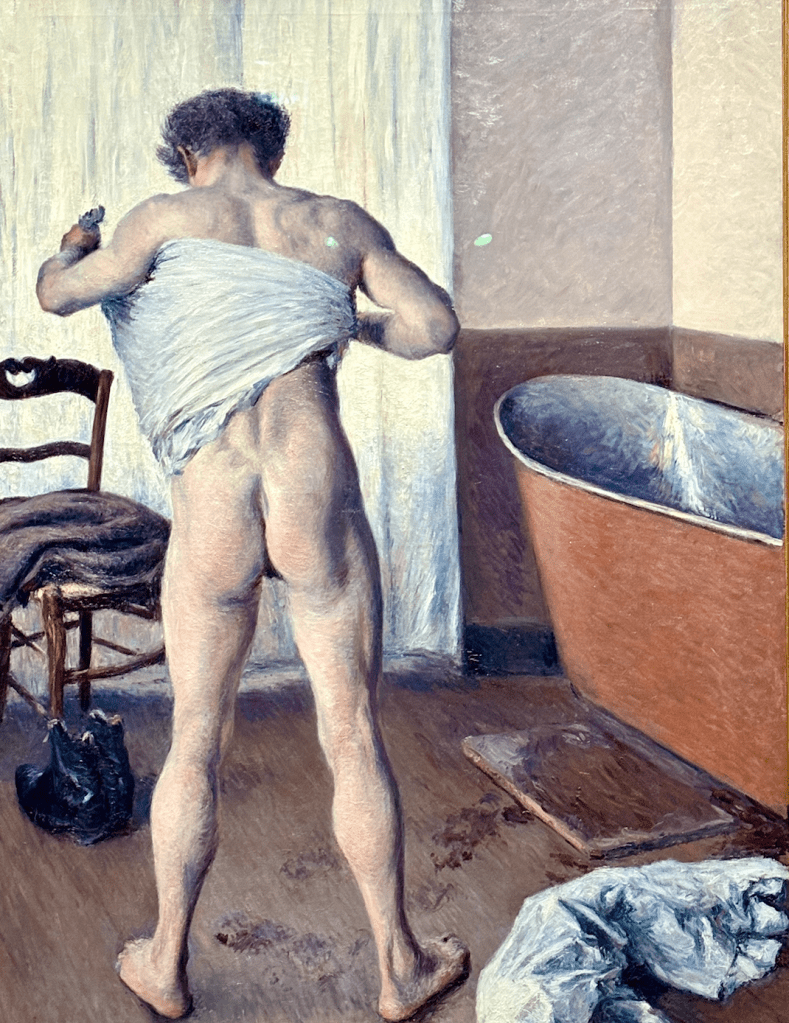
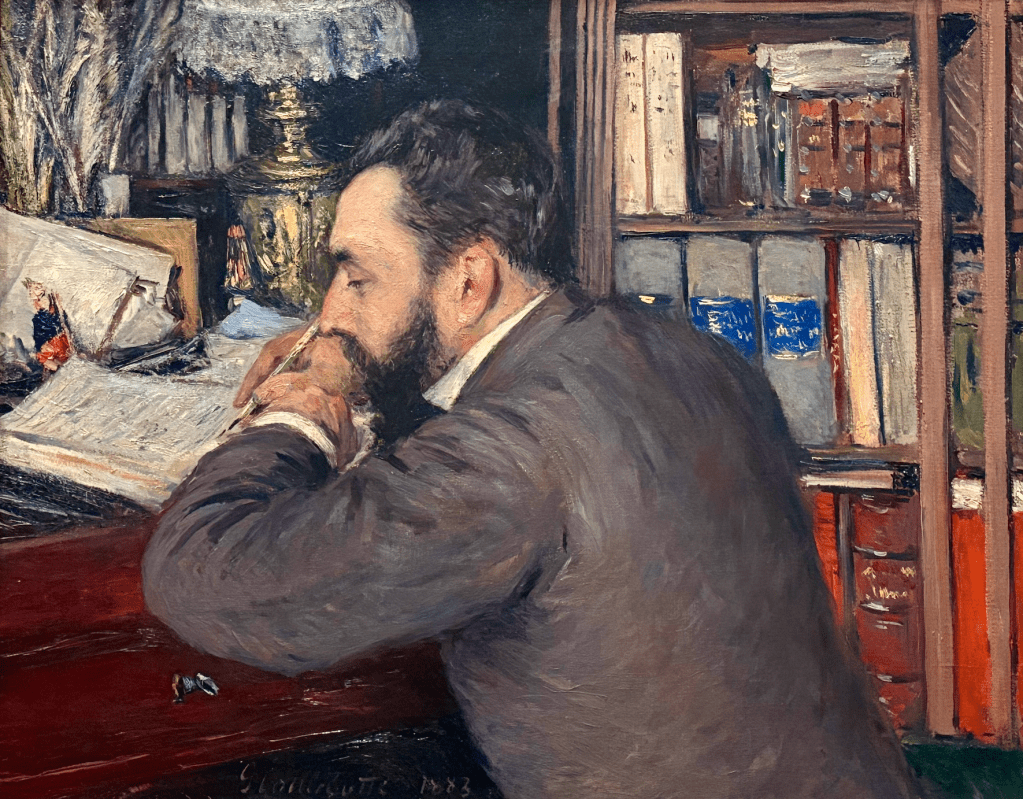
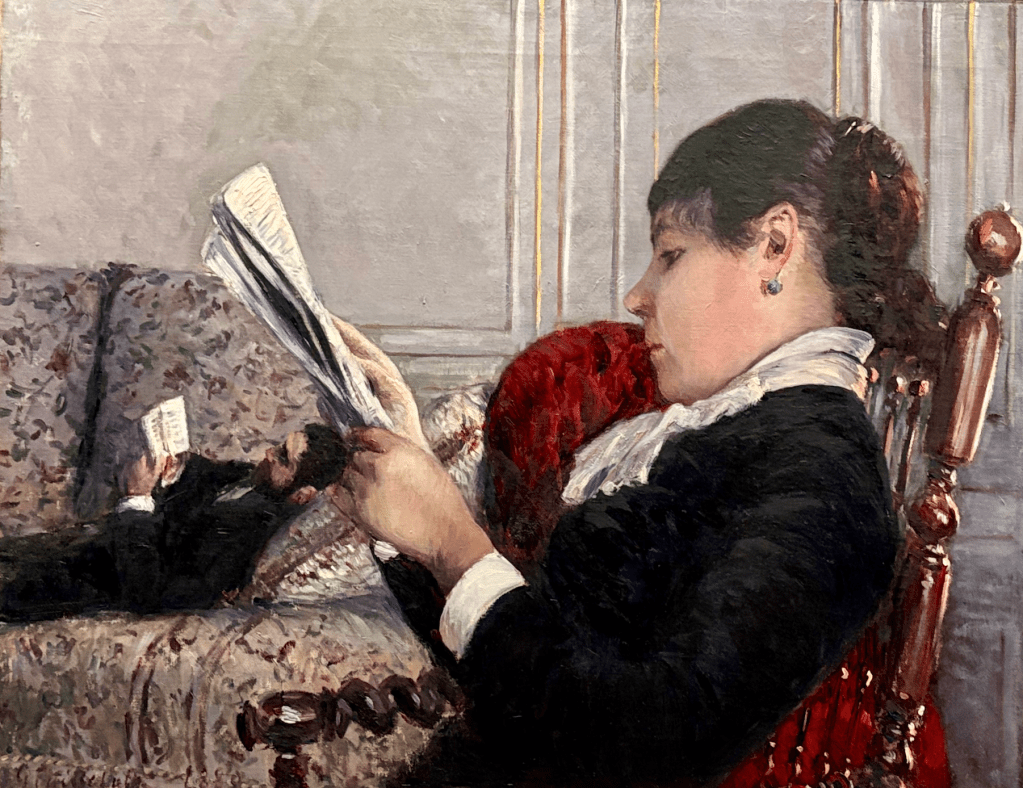
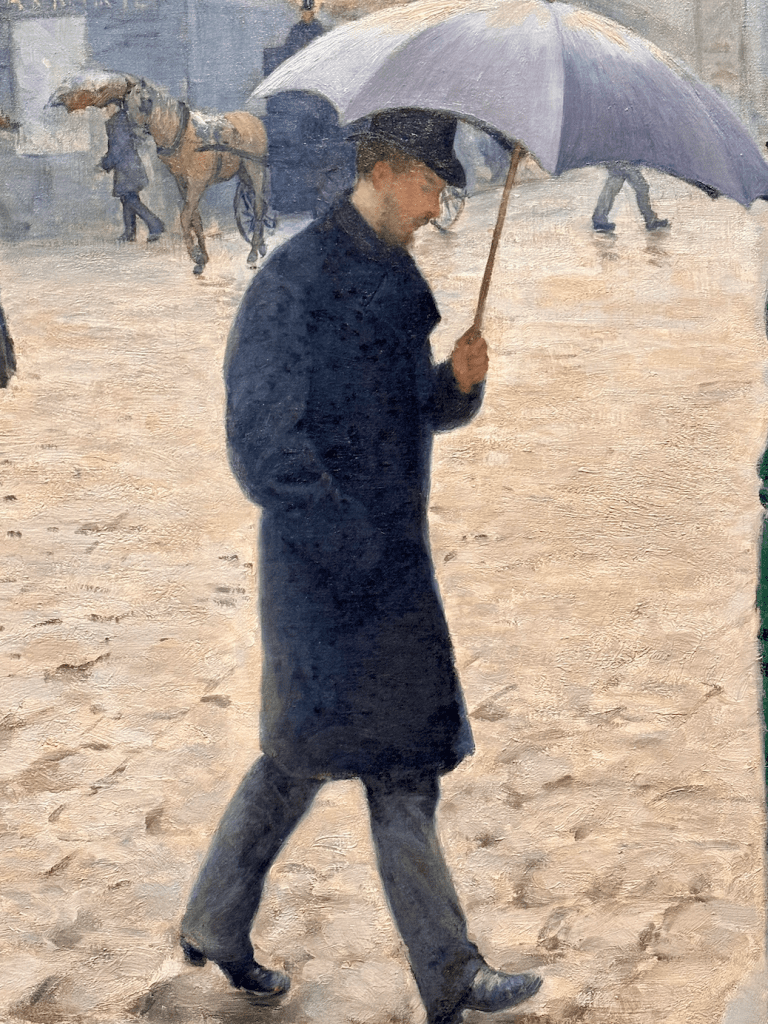
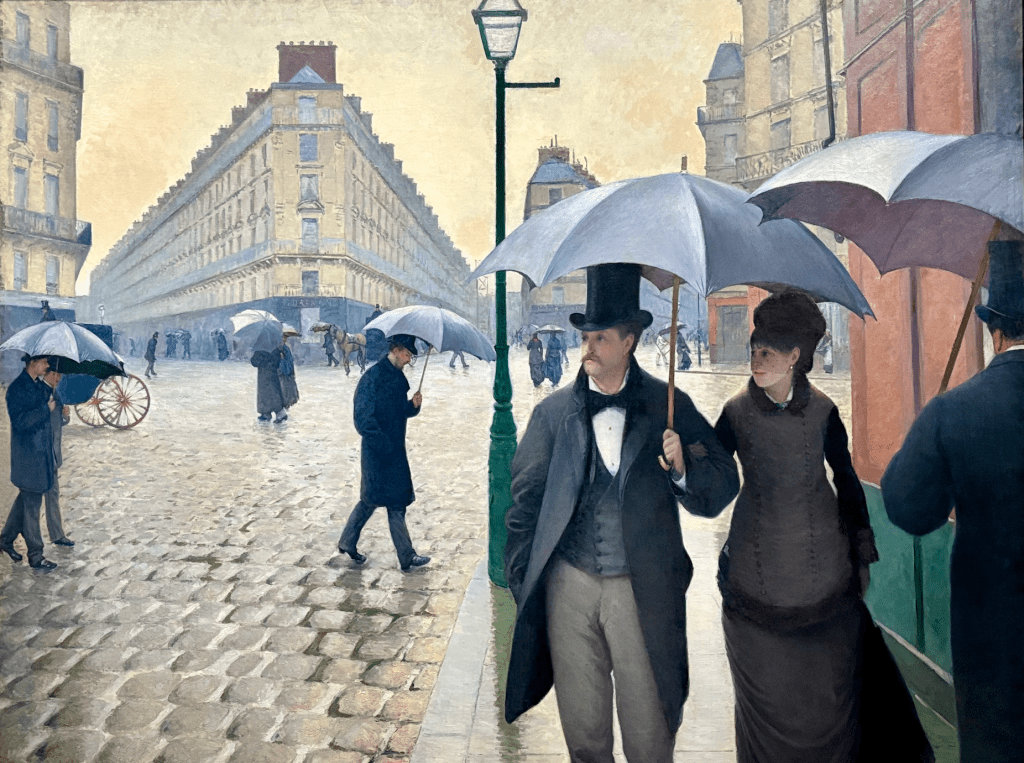
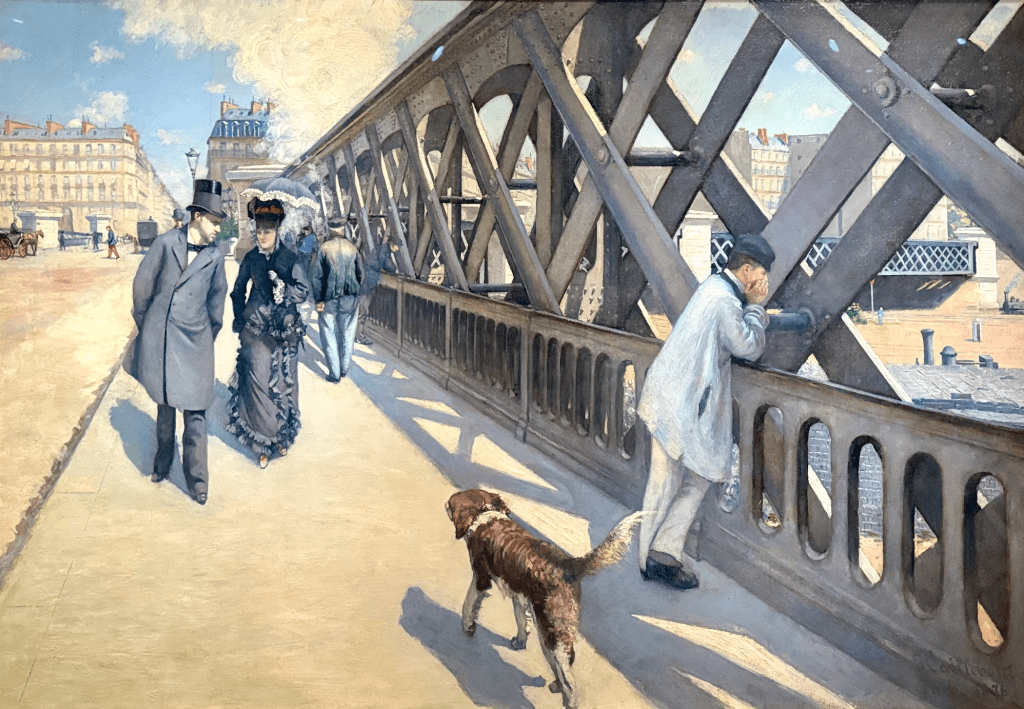
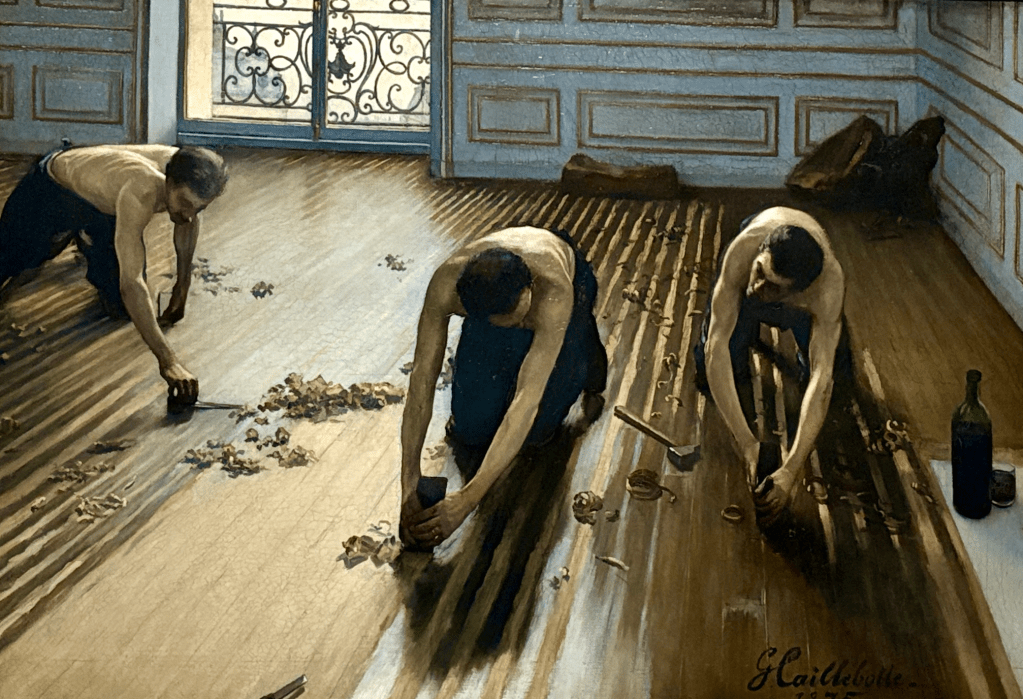
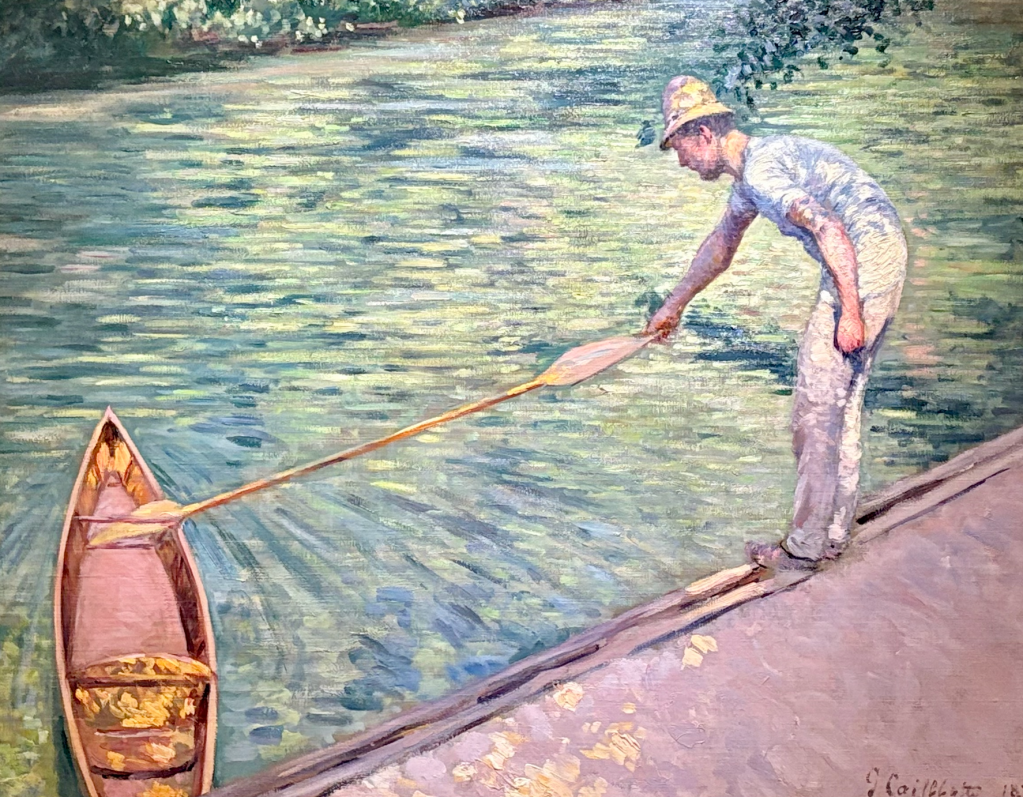
Exploring Gustave Caillebotte’s unique Impressionism

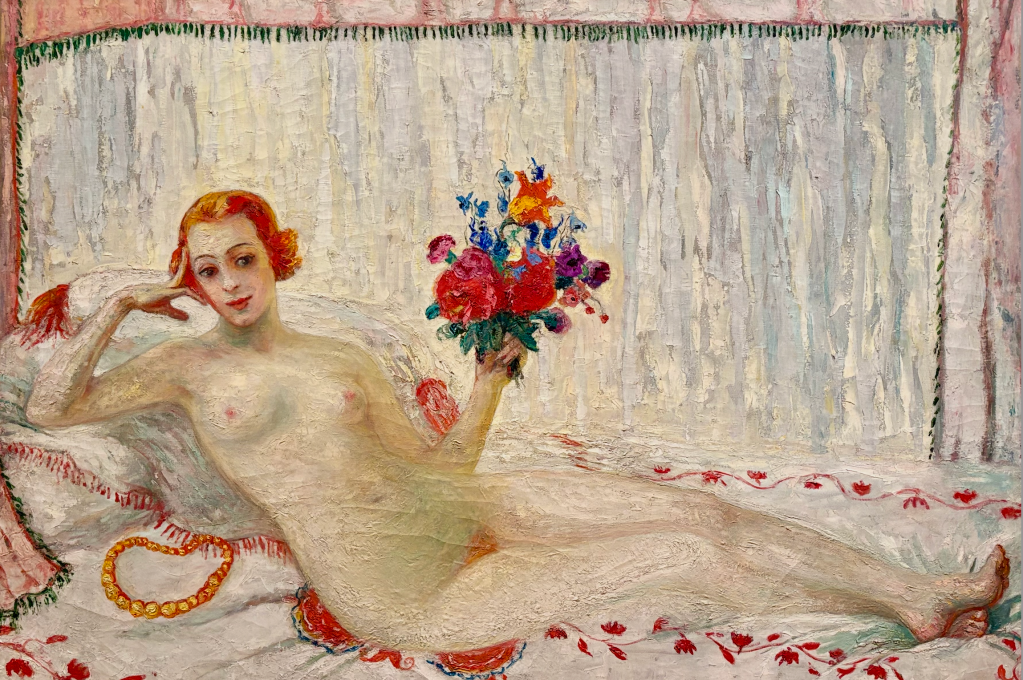
As an independently wealthy artist, Gustave Caillebotte had no need to cater to commercial tastes—freeing him to explore his own vision. The Art Institute’s exhibit Gustave Caillebotte: Painting His World reveals how he fused Impressionist techniques with strikingly original subject matter: intimate nudes, dynamic scenes of men at work, and unflinching depictions of laborers rarely seen in the movement.

Gustave Caillebotte: Painting His World runs until October 5th, 2025

The final notes of a musical giant

Lesley Stahl’s recent interview with Michael Tilson Thomas for CBS Sunday Morning doesn’t break new ground, but it’s compelling all the same. There’s a short version—about nine minutes—and a longer, more expansive cut. What makes it essential viewing is the context: MTT is in the final stages of a battle with brain cancer, a disease that will almost certainly claim him.

In April, he gave what will likely be his final public concert. An event that marked the culmination of a spirited, defiant race against time and illness. I made a point to attend two of his more recent Mahler performances, of the Fifth and Sixth Symphonies. Time was clearly running out then for MTT, and for the singular magic he could conjure from an orchestra.

He remains witty, insightful, and profoundly committed to music. But there’s a new vulnerability. His speech is sometimes halting, his phrasing occasionally searching, words sometime hover just out of reach. That fragility only deepens the emotional impact of seeing one of the great musical minds of our time reflect on a career that helped shape American orchestral life at the end of the 20th and during the first quarter of the 21st Centuries.

Continue reading The final notes of a musical giant

First encounters and final judgments

One of the earliest pieces of music I immersed myself in when I first ventured into the world of classical music in the mid-1990s was Giuseppe Verdi’s Requiem. Back then, my understanding of both classical music and Verdi was thin, cobbled together from scattered references in popular culture: the occasional aria, the familiar strains of La Traviata, and, of course, the terrifying grandeur of the Requiem’s “Dies Irae.” The sheer force with which Verdi summoned dread and divine judgment through sound was unlike anything I had ever encountered. Hearing it for the first time was a full-body experience that rivaled the raw energy I’d felt listening to bands like the Smashing Pumpkins.

I can’t say with certainty whether I’ve ever experienced the Requiem live in a concert hall. So when the Chicago Symphony Orchestra announced it would close out its season with this very work under the sure-handed direction of Riccardo Muti a part of me itched to be there. Alas, as often happens, other commitments intervened. While I don’t typically associate the CSO with Verdi, it’s worth noting the Requiem has occupied a meaningful place during the tenures of the orchestra’s last three music directors.

Continue reading First encounters and final judgments