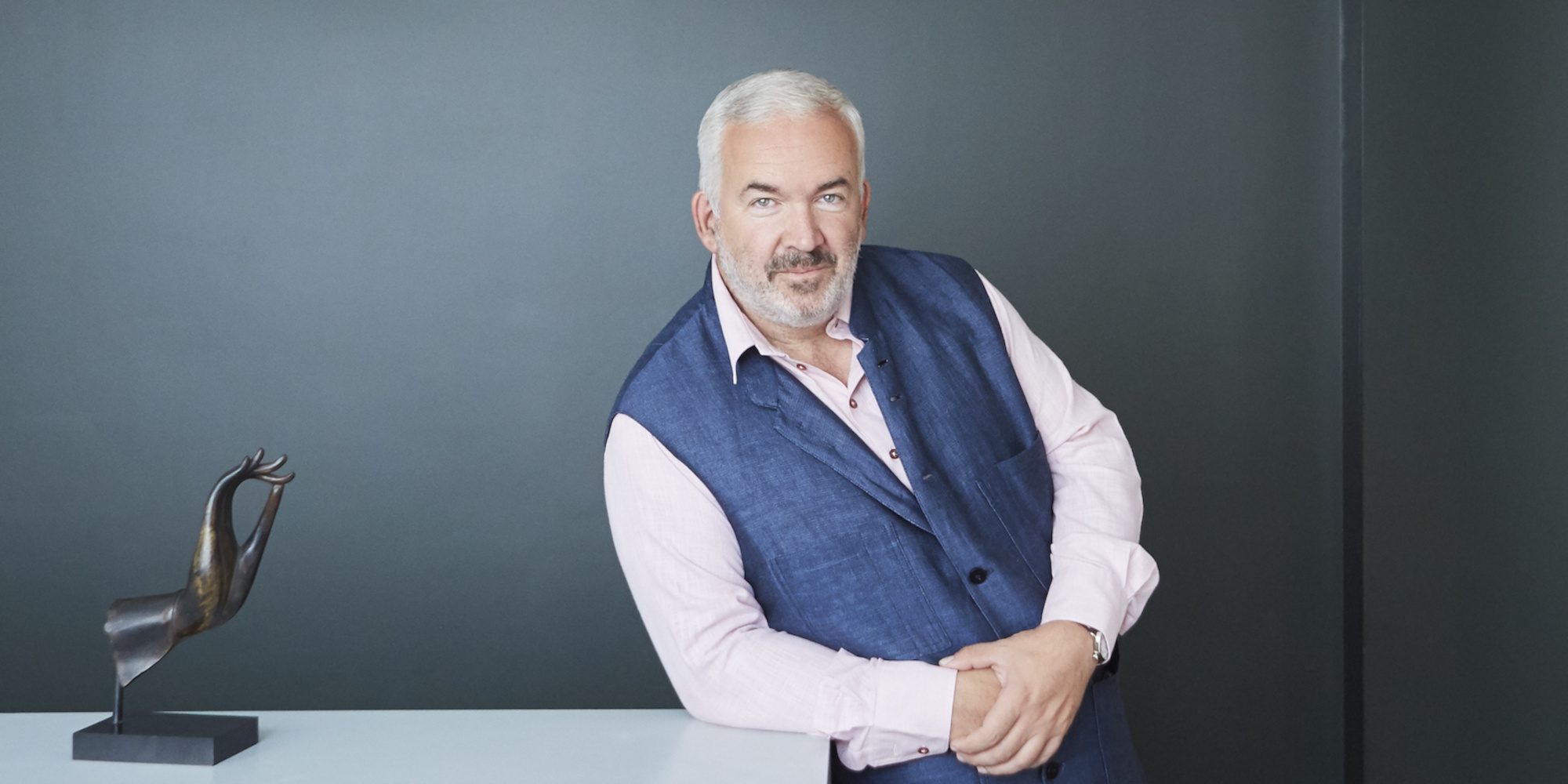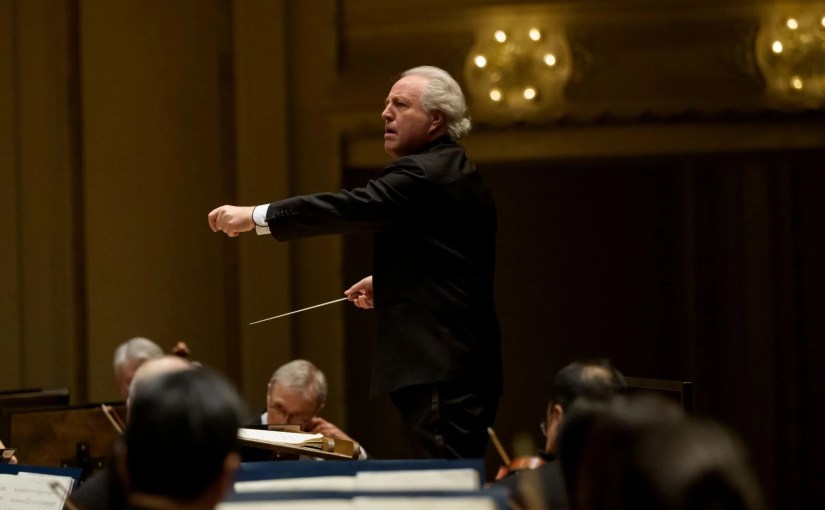
Honeck offers a living, breathing setting for Mozart’s Requiem

Classical music’s great monuments often arrive in the concert hall trailing long histories behind them, along with layers of interpretation and expectations that no performance can meet. Mozart’s Requiem is undoubtedly one of those works. It gathers together some of the composer’s most stirring music and binds it with a spiritual character weighted by lore surrounding Mozart’s final days. The piece’s fragmentary nature allowed later composers to supply completions of varying character, adding an almost philosophical dimension on which are the most or least “Mozart.”

Put together, its murky antecedents, spiritual impact and mythological status leave Mozart’s Requiem almost in a state of suspension. For all its beauty, it is a piece that can inspire more promise than fulfillment. I have long thought that it thrives more readily on recordings than in performance, where its scale and pacing create challenges for modern orchestras.

Continue reading Honeck offers a living, breathing setting for Mozart’s Requiem
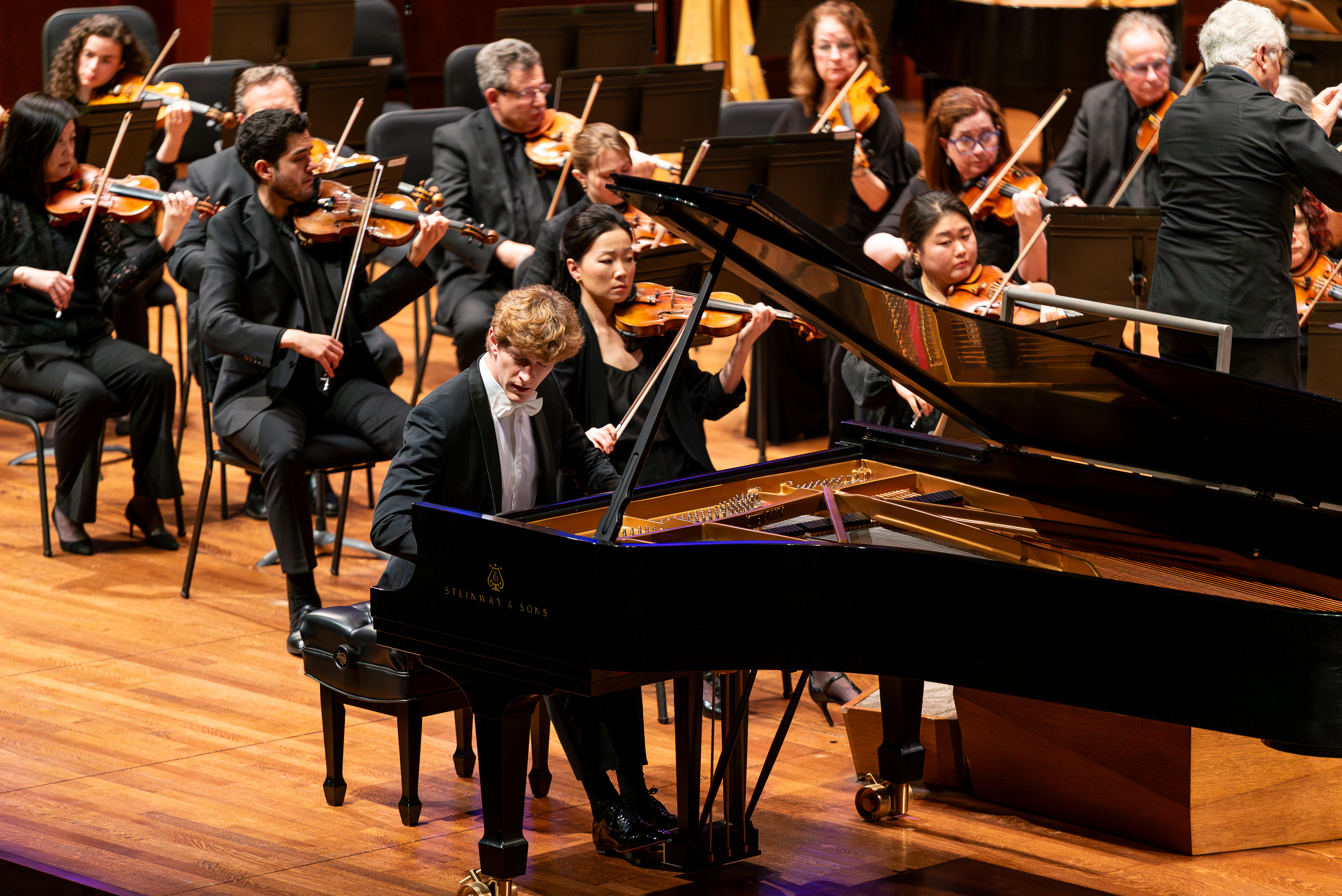
CMS musicians bring warmth and vitality to Harris Theater performance of Schubert, Mozart and W.F. Bach

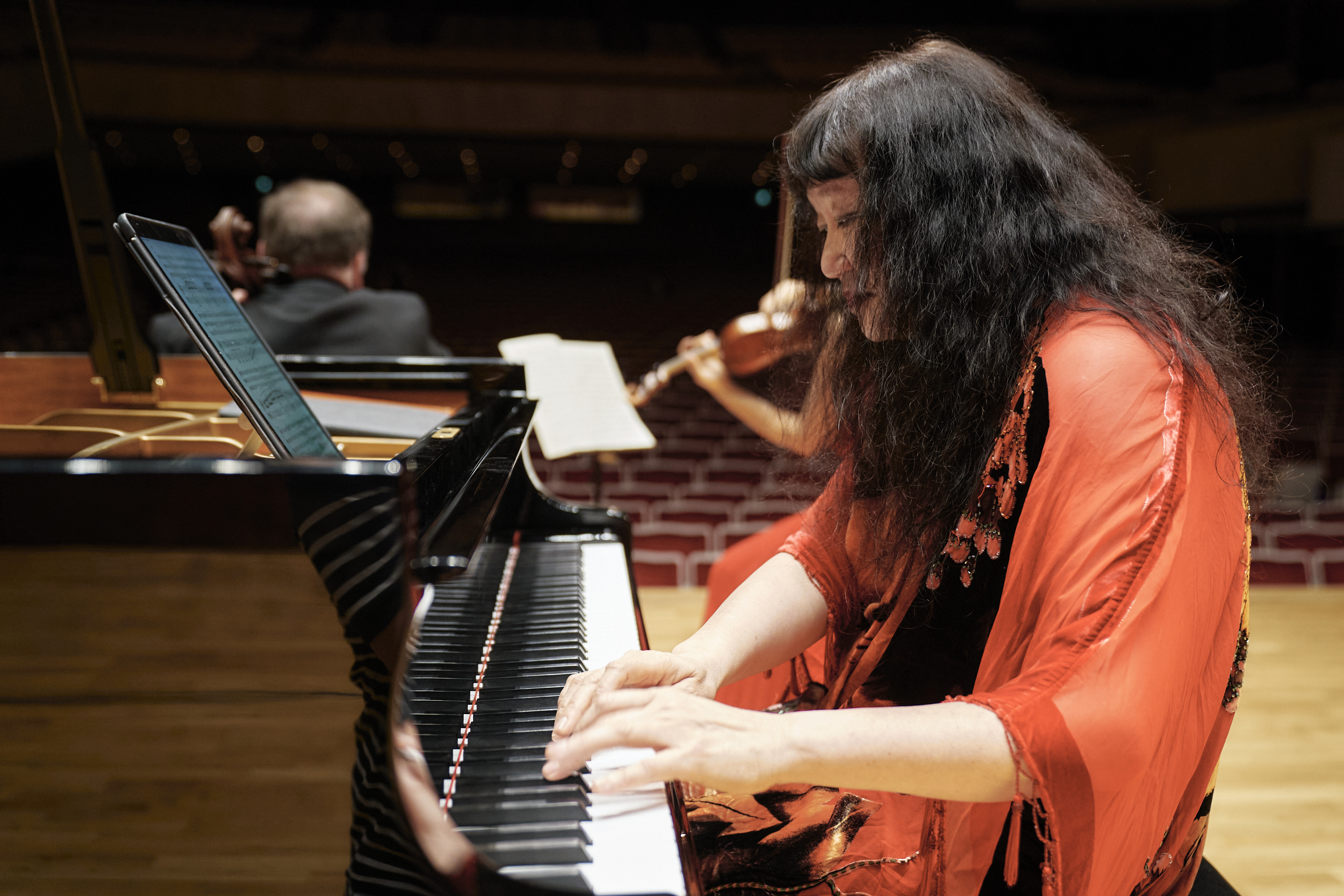
Pianist and CMS Co-Director Wu Han. Photo Credit: Chamber Music Society of Lincoln Center

Originally published on Seen and Heard International

Chicago’s classical music scene is undeniably shaped by the towering presence of the Lyric Opera and the Chicago Symphony, institutions that draw crowds with their scale and prestige. Against this backdrop, the Chamber Music Society of Lincoln Center’s series at the Harris Theater stands out as a quieter, yet equally vital, counterpoint—offering an intimate alternative that feels both rare and refreshing in a city where chamber music isn’t the first thing on most concertgoers’ minds. Tuesday’s CMS performance drove that point home, showcasing the unique appeal of small-ensemble playing in an intelligent program of Schubert, Mozart and Wilhelm Friedemann Bach.

Before the music began, co-artistic director Wu Han stepped out to greet the audience, striking a relatable note by admitting she’d heard some subscribers chose to spend their evening at the Lyric Opera’s La Boheme instead. With a wry smile, she turned the moment into a pivot to the future, announcing the dates for next season. Her co-director and husband David Finkel, will announce next season’s program at CMS’s final Chicago concert in April.

Continue reading CMS musicians bring warmth and vitality to Harris Theater performance of Schubert, Mozart and W.F. Bach

Seattle Symphony offers dramatic range with Stravinsky, Mozart, and a local premiere

Photo Credit: Jim Holt

Originally published on Seen and Heard International

I have heard the Seattle Symphony perform Stravinsky’s The Rite of Spring countless times. This includes at least one performance each under the baton of its  permanent music directors over the past two decades—from Gerard Schwarz’s unrelenting drive to Ludovic Morlot’s textural brilliance and Thomas Dausgaard’s focus on the Rite’s folk influences and form. Last week, guest conductor Peter Oundjian brought his own vision of the work to Benaroya Hall, offering an interpretation that braided Morlot’s detailed approach with Dausgaard’s emphasis on shape.

Continue reading Seattle Symphony offers dramatic range with Stravinsky, Mozart, and a local premiere

Minkowski Takes Leap from Baroque to Classical with Jupiter and Les Boréades

Marc Minkowski, Photo Credit: Benjamin Chelly

Originally published on Seen and Heard International

Gods and mythology long influenced music, especially during the Baroque and Classical periods. This era saw a cultural shift, drawing greater and greater inspiration from pre-Christian societies. The larger-than-life characters of mythology offered spectacle and theatricality, especially for Baroque opera. They provided dramatic material for the genre, fueling its growth. But beyond entertainment, these stories also offered allegory and moral lessons, appealing to audiences seeking philosophical themes. This realm of gods, myth, and magic formed a loose programmatic thread through the January program of Chicago’s Music of the Baroque. The evening in Harris Theater off the city’s Michigan Avenue featured three pieces from different music “gods” and Marc Minkowski’s debut with the orchestra.

Continue reading Minkowski Takes Leap from Baroque to Classical with Jupiter and Les Boréades