The election last week has been, to put it mildly, numbing. I made it through about a year of the first Trump administration before the despair set in. It was the Jesuits—thank you, St. Joseph and Seattle University—who helped keep my soul intact, offering me a lifeline of reflection and community. And, surprisingly, Leif Ove Andsnes’ Sibelius recital album also played its part.
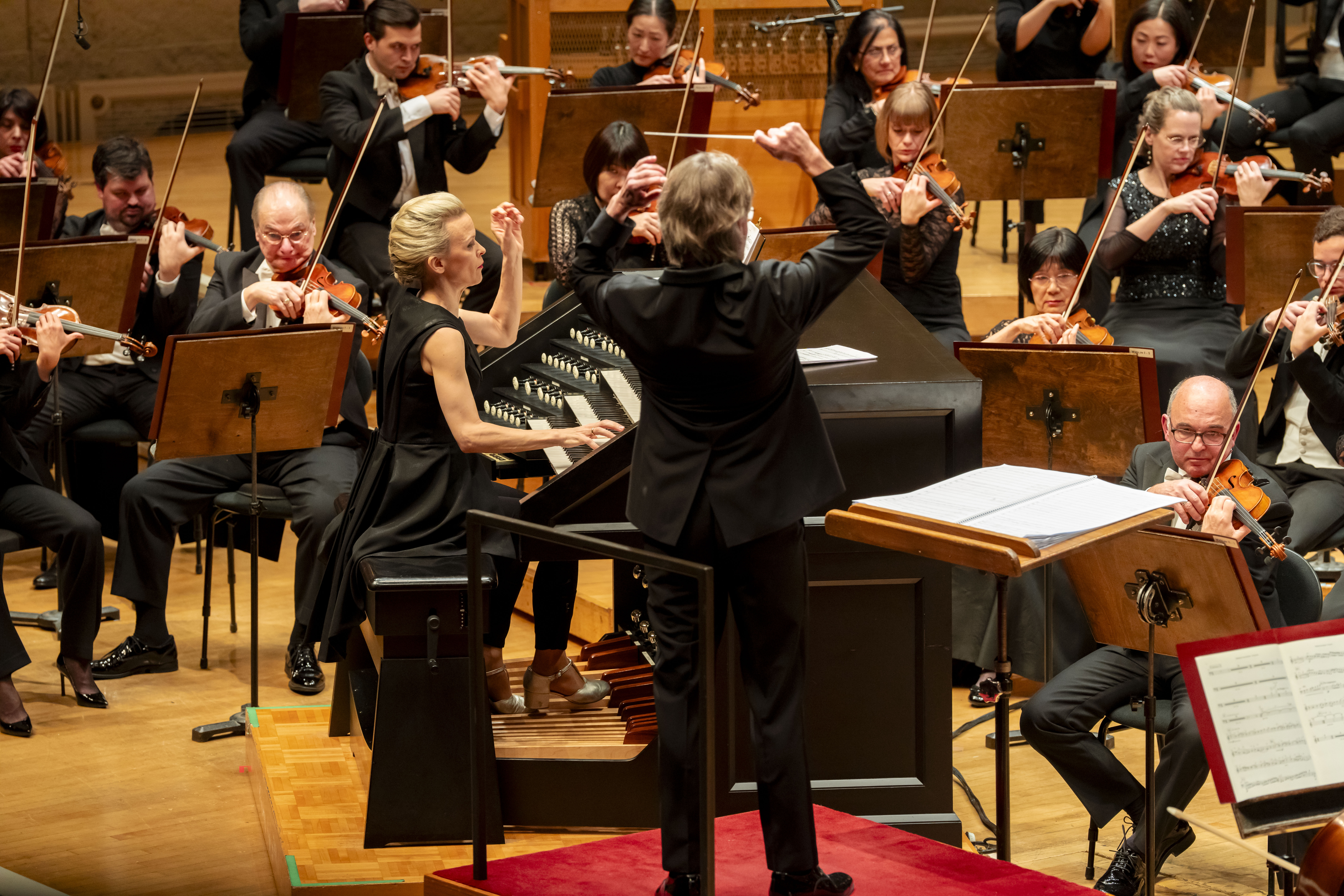
It’s been four months since J and I arrived in Seattle. We’re still settling in, but we’re growing fond of Chicago’s concert and classical music venues. We’re both old enough to have heard dozens of Chicago Symphony concerts in Orchestra Hall already or spent a lazy summer evening sprawled out on the lawn in front of the Jay Pritzker Pavilion listening to the Grant Park Orchestra. But they are ours now. In time, maybe they’ll even be something of a third place for us the way Benaroya Hall and McCaw Hall were. Helping us form an even deeper love for music as we march further into middle age. Enjoy some of my favorite photos of Orchestra Hall, Fine Arts Building, Jay Pritzker Pavilion and Civic Opera House.
“It was intimidating and it was thrilling. That’s what I remember about my first audition week,” John Sharp says, reflecting on his first moments with the Chicago Symphony Orchestra. “To see Solti conduct and the way the orchestra played—it was really something incredibly exciting.”
Sharp, now the CSO’s principal cellist, began his musical journey far from the concert stage. Growing up in Texas, it was a stroke of luck that led him to the cello. “It was complete chance, really. I raised my hand,” he recalls, thinking back to his early days with the cello. “I was trying all kinds of things and ended up choosing the cello.” That choice propelled him on a professional journey that, starting October 24th, will see him perform Richard Strauss’ Don Quixote with the CSO under the baton of Donald Runnicles.
As the overture of Ferdinando Paër’s Leonora filled the historic Studebaker Theater, the audience for Chicago Opera Theater’s opening opera of the season experienced a once-in-a-lifetime opportunity to witness an important – yet sadly overlooked – early 19th century opera. In fact, calling this a once-in-a-lifetime opportunity may understate its rarity. The performances of Leonora that began on October 4th marked the work’s North American premiere. Chicago Opera Theater’s production complements the Lyric Opera’s own run of Beethoven’s Fidelio, not only bringing the story of love and tyranny to life but also showcasing the emotional depth that Paër infused into his music, which stands in contrast to Beethoven’s take on the same story.
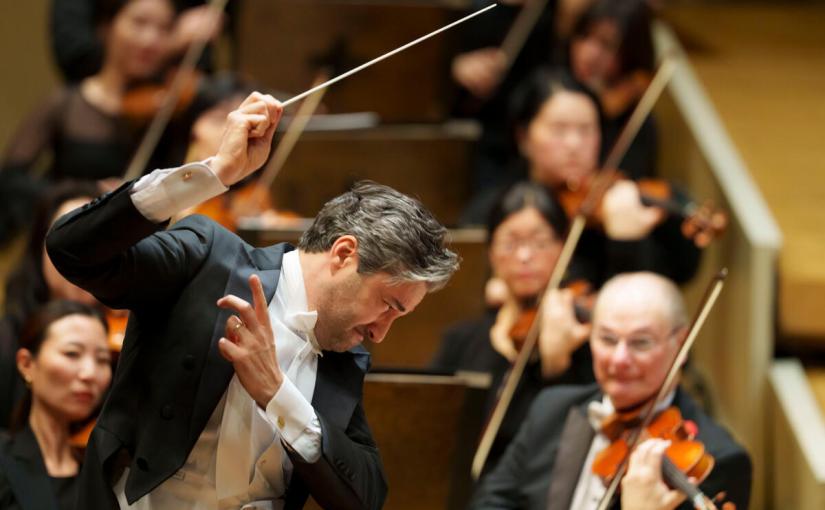
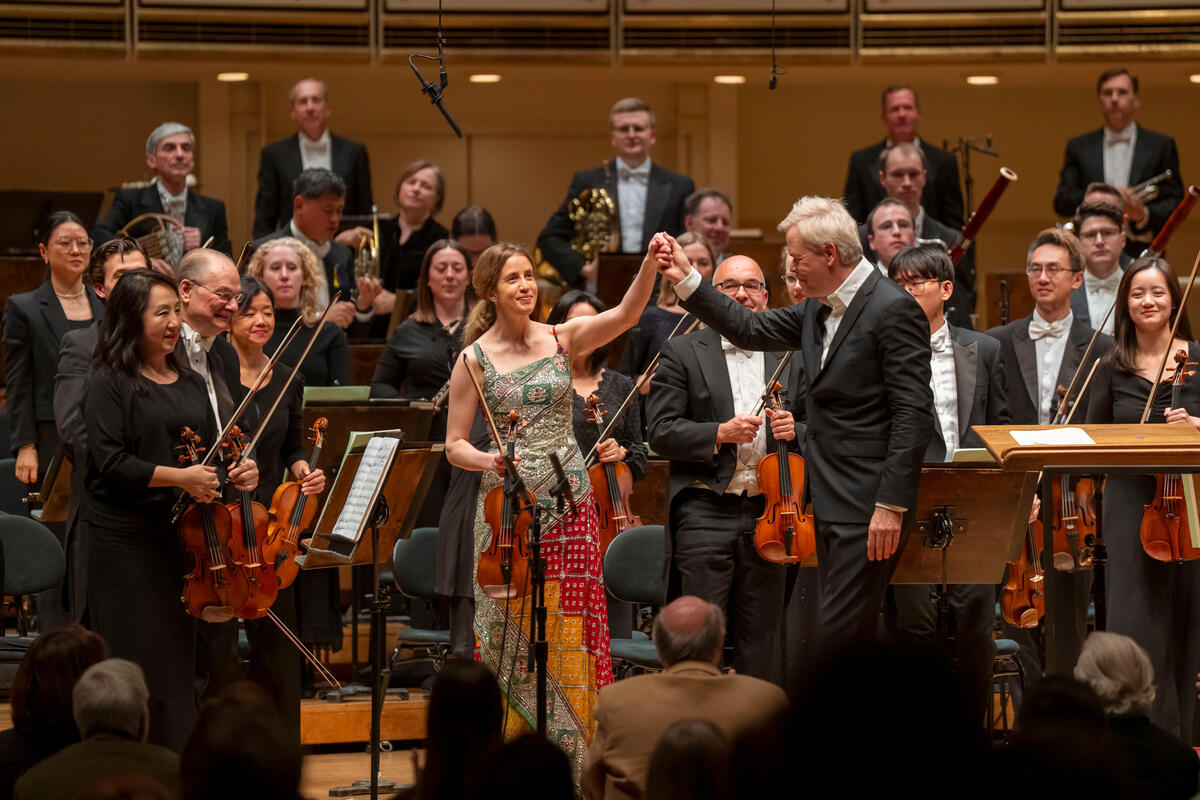
Having been captivated for years by Tchaikovsky’s Fourth Symphony in F minor, I’ve attended countless performances, each offering their own insights. In my younger years, I found solace in the symphony’s emotionally charged melodies and the struggles against Fate they embodied. Growing older, however, I began to feel that Tchaikovsky’s histrionics sometimes missed their mark in concert. Yet, with the Chicago Symphony season barely a week old, Thursday’s performance, conducted by Nikolaj Szeps-Znaider — a frequent guest at the podium of Orchestra Hall — promised a compelling fresh perspective on this well-trodden classic by juxtaposing it with two seldom-performed works: Ralph Vaughan Williams’ Overture to The Wasps and William Walton’s Viola Concerto.