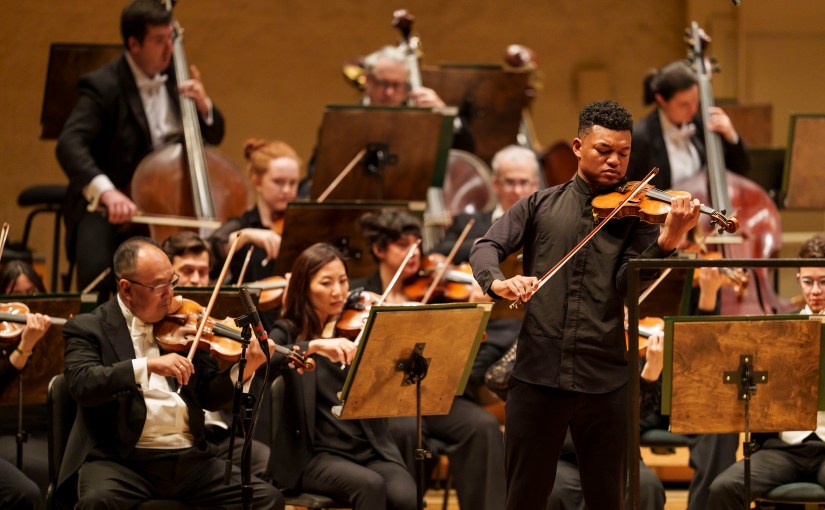
CSO’s Mahler survey begins with a thrilling Seventh Symphony

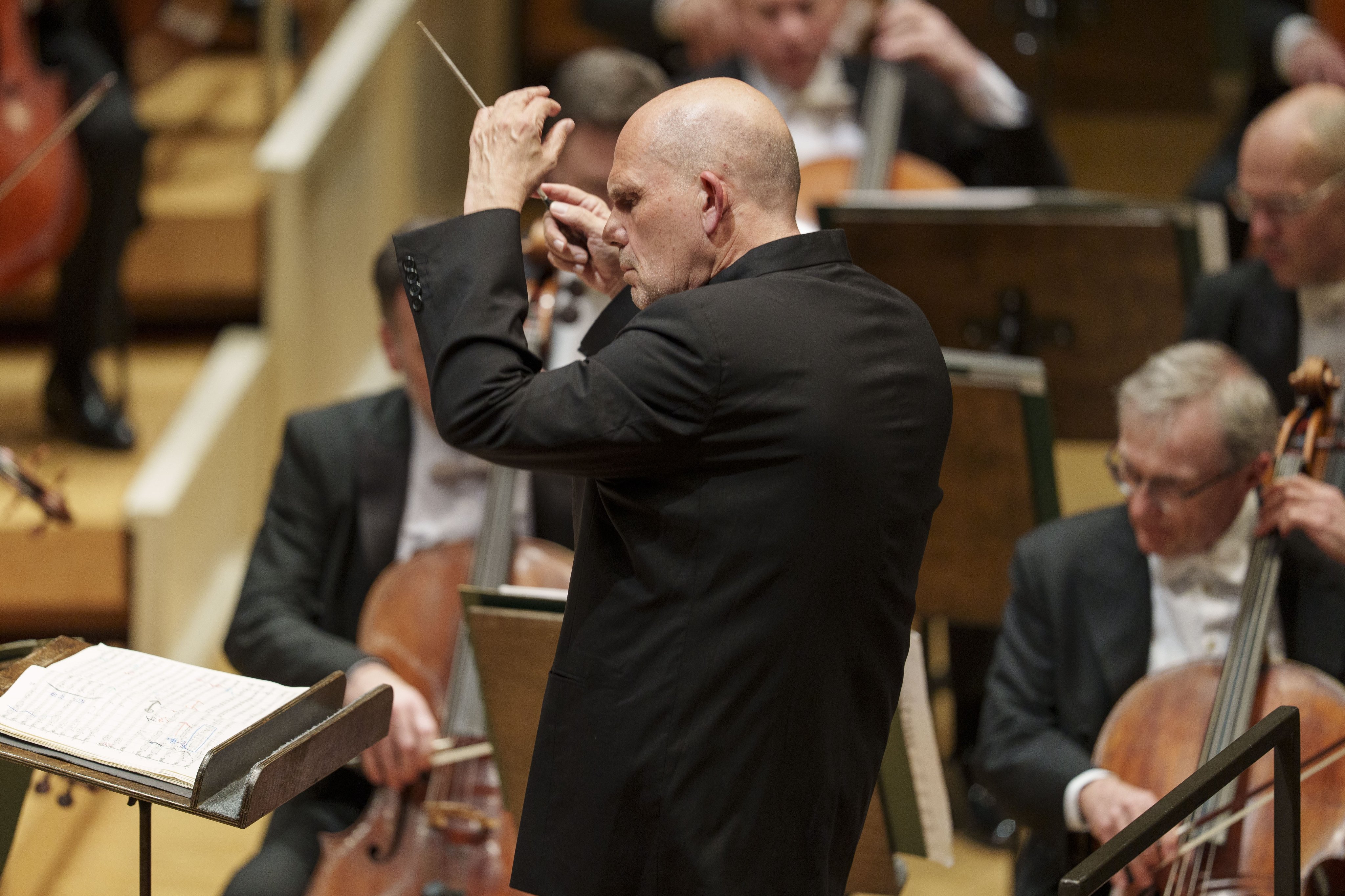
Photo Credit: Todd Rosenberg

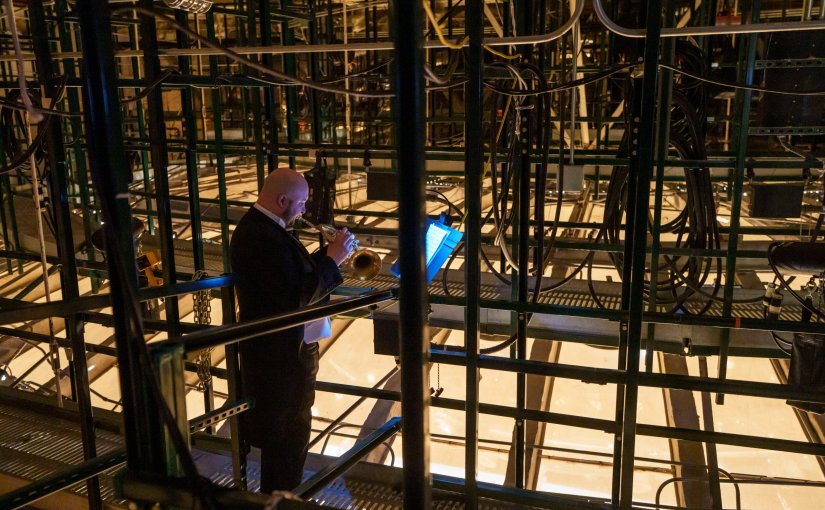
I keep finding my way back to performances of Mahler’s Seventh Symphony. It started in 2018, with a thrilling rendition by Carlos Kalmar and the Oregon Symphony. That performance roared. No, the Oregon Symphony isn’t a world-class orchestra, and subtlety wasn’t its strength. But they more than made up for it with heart and visible joy, especially as Kalmar and his players surged into the final bars of the fifth movement.

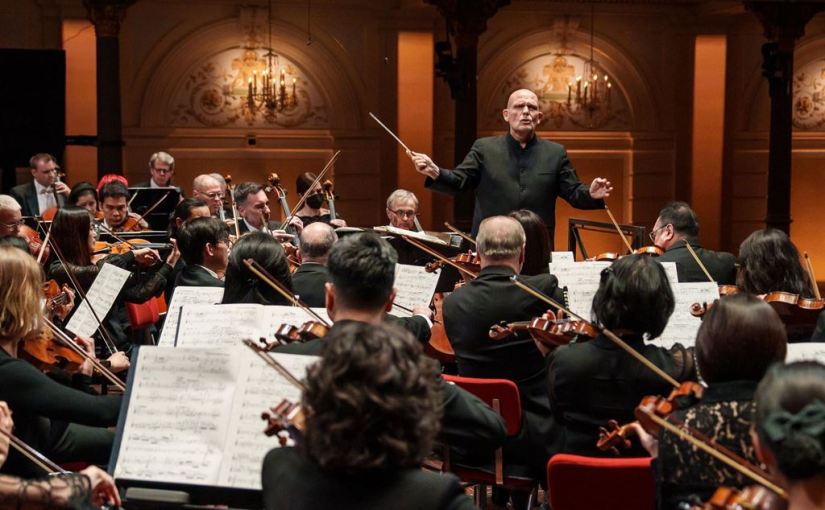
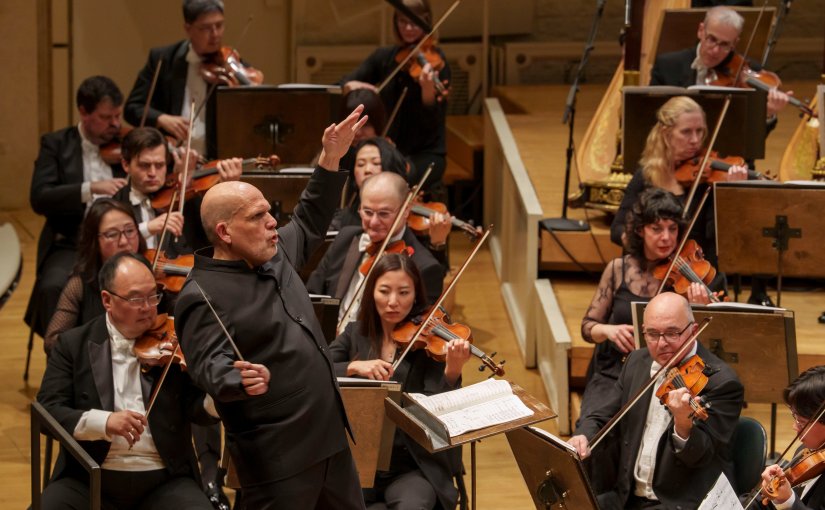
Last night, Jaap van Zweden was in town to open a mini-Mahler festival in Chicago. Over the next month, the Chicago Symphony Orchestra will perform three Mahler symphonies—the Seventh, Third, and Sixth—in a series of concerts. Van Zweden is leading the Seventh and Sixth, while Klaus Mäkelä, the CSO’s music director designate, will take the podium for the Third. Afterward, the orchestra heads out on a spring European tour featuring the Sixth and Seventh, including a stop at the third Mahler Festival in Amsterdam.

Continue reading CSO’s Mahler survey begins with a thrilling Seventh Symphony

CMS musicians bring warmth and vitality to Harris Theater performance of Schubert, Mozart and W.F. Bach

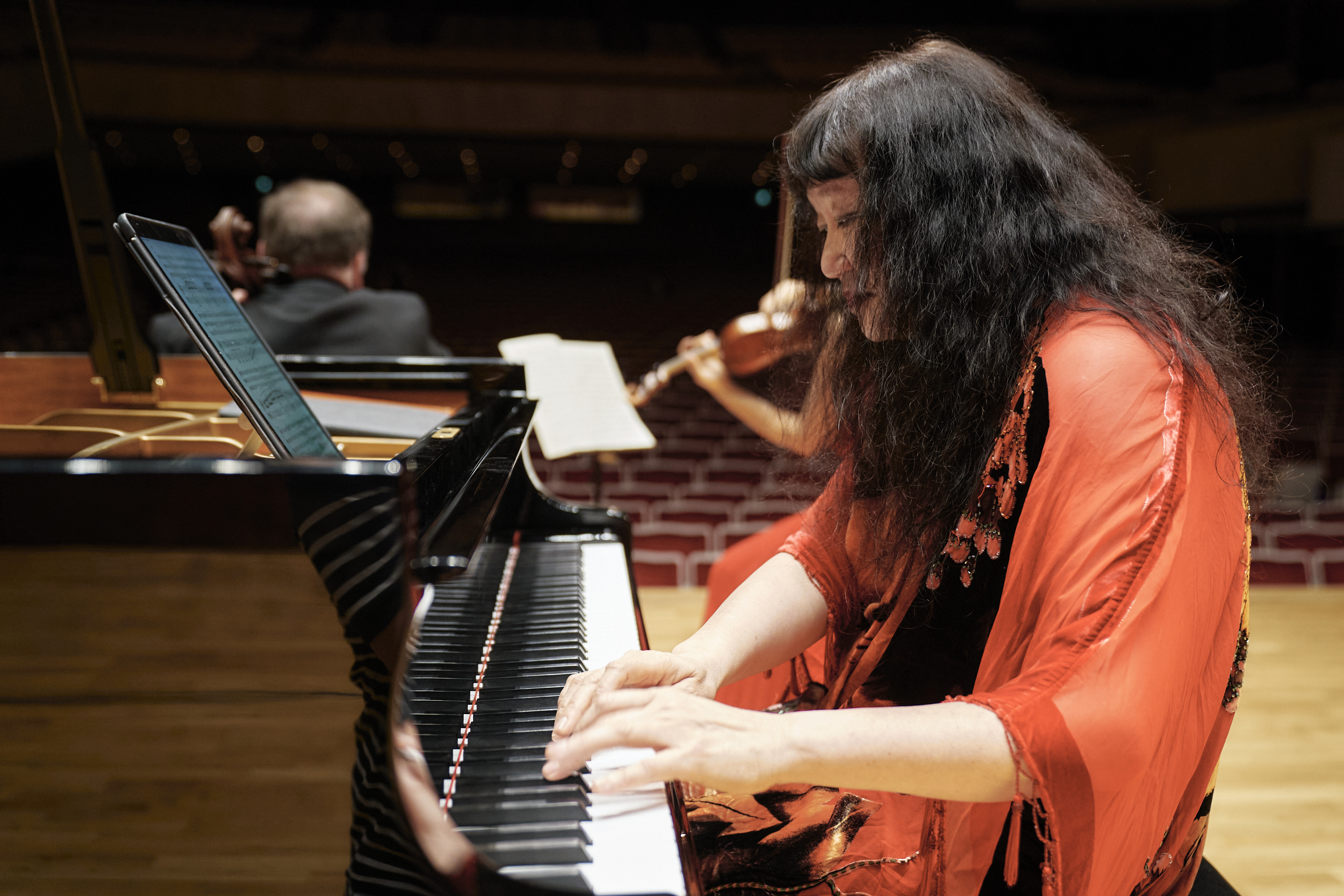
Pianist and CMS Co-Director Wu Han. Photo Credit: Chamber Music Society of Lincoln Center

Originally published on Seen and Heard International

Chicago’s classical music scene is undeniably shaped by the towering presence of the Lyric Opera and the Chicago Symphony, institutions that draw crowds with their scale and prestige. Against this backdrop, the Chamber Music Society of Lincoln Center’s series at the Harris Theater stands out as a quieter, yet equally vital, counterpoint—offering an intimate alternative that feels both rare and refreshing in a city where chamber music isn’t the first thing on most concertgoers’ minds. Tuesday’s CMS performance drove that point home, showcasing the unique appeal of small-ensemble playing in an intelligent program of Schubert, Mozart and Wilhelm Friedemann Bach.

Before the music began, co-artistic director Wu Han stepped out to greet the audience, striking a relatable note by admitting she’d heard some subscribers chose to spend their evening at the Lyric Opera’s La Boheme instead. With a wry smile, she turned the moment into a pivot to the future, announcing the dates for next season. Her co-director and husband David Finkel, will announce next season’s program at CMS’s final Chicago concert in April.

Continue reading CMS musicians bring warmth and vitality to Harris Theater performance of Schubert, Mozart and W.F. Bach

Seattle Symphony offers dramatic range with Stravinsky, Mozart, and a local premiere

Photo Credit: Jim Holt

Originally published on Seen and Heard International

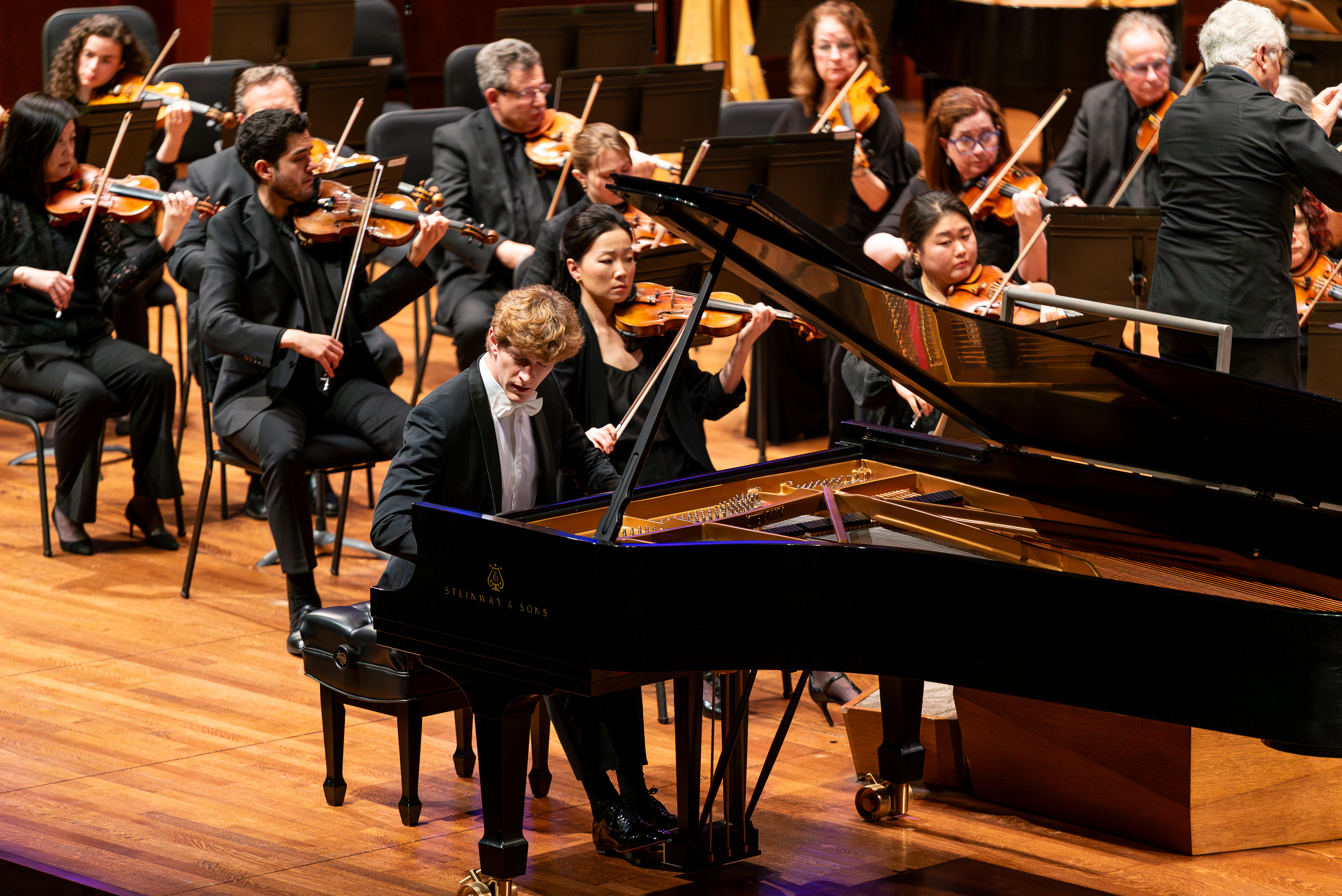
I have heard the Seattle Symphony perform Stravinsky’s The Rite of Spring countless times. This includes at least one performance each under the baton of its  permanent music directors over the past two decades—from Gerard Schwarz’s unrelenting drive to Ludovic Morlot’s textural brilliance and Thomas Dausgaard’s focus on the Rite’s folk influences and form. Last week, guest conductor Peter Oundjian brought his own vision of the work to Benaroya Hall, offering an interpretation that braided Morlot’s detailed approach with Dausgaard’s emphasis on shape.

Continue reading Seattle Symphony offers dramatic range with Stravinsky, Mozart, and a local premiere

From friendship to music: Williamson premieres Theofanidis’ Indigo Heaven at the CSO

CSO Principal Clarinet Stephen Williamson. Photo Credit: Todd Rosenberg

Originally published on Seen and Heard International

On a summer day in 2022, Stephen Williamson stood outside in Aspen, Colorado, with his clarinet. Surrounded by an endless blue sky, mountains, and the sun, Williamson—the Chicago Symphony Orchestra’s principal clarinetist—worked through intricate passages of a brand-new concerto. Its composer, Christopher Theofanidis, was right there with Williamson, shaping the music in real time. “Playing it outside in the fresh air, with the mountains around us, brought a whole new dimension to the sound,” Williamson recalls.

After almost three years of anticipation—due in part to an unexpected health setback— Williamson is finally set to premiere the concerto, Indigo Heaven, which was written specifically for him. “This piece has been on my mind for so long,” he says. “It’s deeply personal, and I can’t wait to finally share it with an audience.” That moment in Aspen was just one step in a long journey for the work, which began as a casual conversation and evolved into one of this concert season’s most highly anticipated premieres.

Continue reading From friendship to music: Williamson premieres Theofanidis’ Indigo Heaven at the CSO

Remembering Charles Ives with the Chicago Sinfonietta

Photo Credit: Charles Ives Society

Charles Ives, one of America’s most adventurous composers, pushed the boundaries of classical music with his polytonal chaos, dissonances and American echoes. Yet, despite these innovations, he remains underappreciated compared to figures like Aaron Copland. In celebration of Ives’ 150th birthday last year, historian Joseph Horowitz is leading a campaign to elevate his legacy. Through blog posts, a documentary film, a radio program, and curated festivals, Horowitz is championing Ives’ music near and far. For Chicago audiences, the effort culminates in a special concert at the University of Chicago this weekend.

Continue reading Remembering Charles Ives with the Chicago Sinfonietta

Christian Tetzlaff dazzles in Sibelius Violin Concerto; Afkham and the CSO bring Schoenberg to life

Originally published on Seen and Heard International

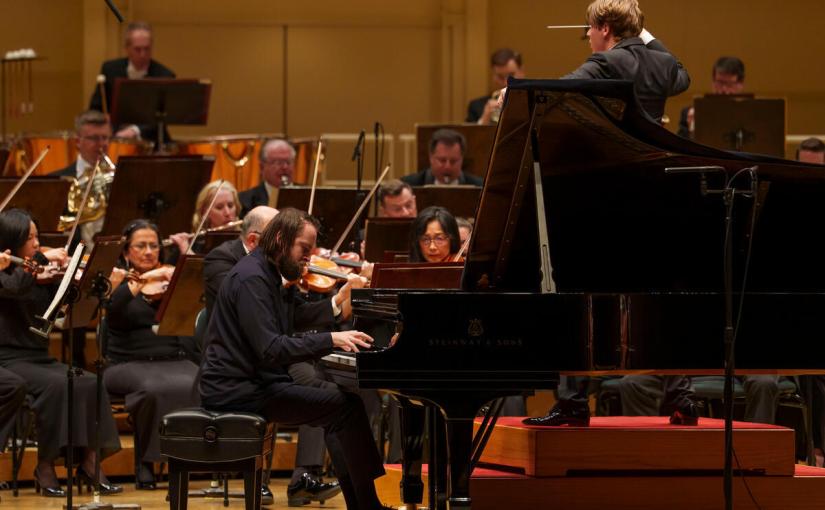
Violinist Christian Tetzlaff and guest conductor David Afkham headlined the Chicago Symphony Orchestra’s concert series this weekend. The German duo presented a program of works by Richard Wagner, Jean Sibelius, and Arnold Schoenberg – three selections that highlight the shifting landscape of classical music at the turn of the 20th century.

Composed just a year apart, Sibelius’ Violin Concerto and Schoenberg’s Pelleas und Melisande reflect two distinct responses to the influence of Richard Wagner. A young Sibelius was deeply affected by Wagner’s music, particularly after experiencing Parsifal at Bayreuth. Although Sibelius initially attempted operatic composition, he shifted to orchestral works and initially retained traces of Wagner’s harmonic language and orchestration. But gradually, he developed a flourish-lite style focused on organic development and austere textures. Schoenberg, too, revered Wagner, particularly Tristan und Isolde. Pelleas und Melisande embodies both the height of late Romanticism and a pivot toward the composer’s more radical innovations. Schoenberg roots the piece with Wagnerian leitmotifs and expansive orchestration. Yet the work’s complex harmonic language hints at dissonances that would later become a staple of the composer’s music.

Continue reading Christian Tetzlaff dazzles in Sibelius Violin Concerto; Afkham and the CSO bring Schoenberg to life

Sibelius, Schoenberg, and the CSO — a must-hear concert this week

This week, Chicago audiences will have the chance to hear one of the world’s foremost violinists, Christian Tetzlaff, take on Sibelius’ haunting Violin Concerto with the Chicago Symphony Orchestra. Under the baton of David Afkham, the program also features Schoenberg’s Pelléas und Melisande, a lush, late-Romantic tone poem that offers a fascinating contrast to the modernist reputation Schoenberg would later cultivate. This performance also takes on added meaning—especially in the wake of the devastating Los Angeles fires that tragically destroyed portions of the Schoenberg archives.

Continue reading Sibelius, Schoenberg, and the CSO — a must-hear concert this week

Esa-Pekka Salonen and organist Iveta Apkalna bring Sinfonia concertante to life in Chicago debut

Organist Iveta Apkalna makes her CSO debut in the CSO’s first performance of composer and conductor Esa-Pekka Salonen’s Sinfonia concertante for Organ and Orchestra. Photo Credit: Todd Rosenberg

Originally published on Seen and Heard International

The Chicago Symphony Orchestra has returned home to Orchestra Hall after a successful tour through Florida, New York and Oklahoma, launching an anticipated two-week residency with conductor Esa-Pekka Salonen. Salonen, a dynamic force in contemporary music, steps onto the Chicago podium at a transitional moment in his career, following his well-publicized decision to not seek a new contract as music director of the San Francisco Symphony over creative differences. In his current lineup in the Windy City, the Finnish maestro will guide the CSO through a compelling lineup, including Bartók staples, Beethoven’s buoyant Symphony No. 2, and a performance of Salonen’s own Sinfonia Concertante for organ and orchestra.

The first program of Salonen’s residency focused on three orchestral showpieces, with his own Sinfonia Concertante framed by Richard Strauss’ Don Juan and Béla Bartók’s Concerto for Orchestra. While Salonen’s work was a new addition to the orchestra’s repertoire, the Strauss and Bartók pieces have a storied history with the CSO, particularly through its landmark recordings with Fritz Reiner. The orchestra’s first RCA recording of the Concerto for Orchestra is widely regarded as one of the definitive interpretations. Reiner’s deep understanding of Bartók’s music—coupled with the orchestra’s balance, precision, and virtuosity in the recording—shaped Bartók’s popularity in America and contributed significantly to the CSO’s growing reputation as a world-class ensemble.

Continue reading Esa-Pekka Salonen and organist Iveta Apkalna bring Sinfonia concertante to life in Chicago debut

Minkowski Takes Leap from Baroque to Classical with Jupiter and Les Boréades

Marc Minkowski, Photo Credit: Benjamin Chelly

Originally published on Seen and Heard International

Gods and mythology long influenced music, especially during the Baroque and Classical periods. This era saw a cultural shift, drawing greater and greater inspiration from pre-Christian societies. The larger-than-life characters of mythology offered spectacle and theatricality, especially for Baroque opera. They provided dramatic material for the genre, fueling its growth. But beyond entertainment, these stories also offered allegory and moral lessons, appealing to audiences seeking philosophical themes. This realm of gods, myth, and magic formed a loose programmatic thread through the January program of Chicago’s Music of the Baroque. The evening in Harris Theater off the city’s Michigan Avenue featured three pieces from different music “gods” and Marc Minkowski’s debut with the orchestra.

Continue reading Minkowski Takes Leap from Baroque to Classical with Jupiter and Les Boréades

“Let the door be shut and bolted”

Photo Credit: Chihuly Studios, Terry Rishel 

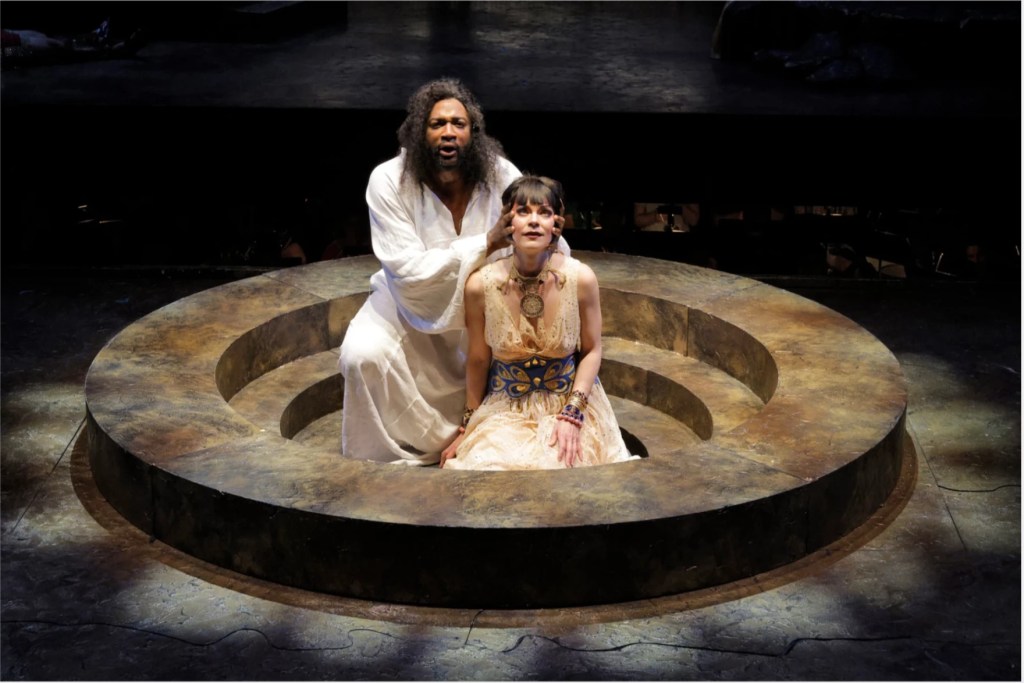
Esa-Pekka Salonen joins the CSO for a two-week residency focusing on Bartók. In week one, Salonen pairs the Concerto for Orchestra with his own Sinfonia Concertante for organ and orchestra, while in week two Bluebeard’s Castle shares the stage with Beethoven’s Second Symphony. As of this afternoon, there are still ample tickets available for Bluebeard’s Castle, and anyone who can go should.

It is one of the spookier pieces of music out there, and Bartók’s vocal writing is excruciatingly demanding. I’ve seen it staged on a double bill with Schoenberg’s expressionist masterpiece Erwartung. But, it was my first experience with the opera, a semi-staged concert performance in Seattle that is firmly planted in my memory. Gerard Schwarz pulled out all of the stops to make it a memorable evening. Schwarz’s production was unforgettable, partially thanks to Charles Simonyi’s support, which enabled the creation of glass sculptures by Dale Chihuly representing six of the seven doors opened by Judith and Duke Bluebeard. This striking production has since traveled to other venues, undoubtedly thrilling audiences.

While Chicago’s performance won’t feature Chihuly’s vibrant sculptures, it boasts its own impressive draw: Esa-Pekka Salonen conducting, alongside soloists Ekaterina Gubanova and Christian Van Horn.