Operas, quartets, and Mahler on the lawn

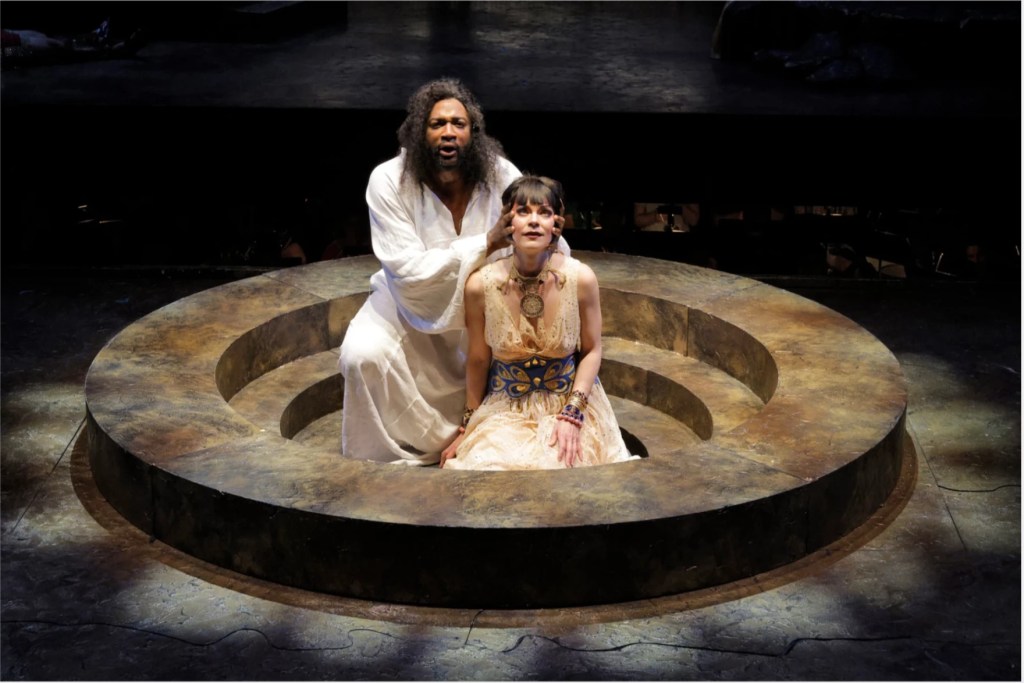
Photo Credit: Cory Weaver and Des Moines Metro Opera Festival. Last year’s production of Salome

Spring is struggling to take hold here in the Midwest. Just when you think warm temperatures and sunshine are here to stay, a cold spell with rain arrives to dampen the mood. Still, the weather won’t stop the summer classical music season from arriving in mid-June.

Classical music sounds better in the summer, at least to my ears. And it’s not just the music—it’s where it’s played: outdoor bandshells, rural hideouts, rustic auditoriums, and expansive lawns. Freed from the formality of the great concert halls, the music breathes differently, more freely, even when the conditions are less than ideal.

I’ve been fostering a side hustle as a part-time freelance music critic since the late ’90s, when I was slogging through law school. Writing about music in Iowa and the Quad Cities helped me survive those grueling academic years. But when summer arrived, everything changed. I stopped using music as a means of escape and started experiencing it as a source of joy. Completely. Whether it was chamber recitals at the local Unitarian church or evenings at Ravinia in Highland Park, those concerts—and the many that followed—came to define summer for me.

The summer of 2025 will be my first full summer in a new city. Last year was all about settling in, arguably the worst part of any move. But this year, I’m ready to see what the area has to offer classical music lovers like me. Here are a few events I’m especially looking forward to.

Continue reading Operas, quartets, and Mahler on the lawn
Mahler’s many voices: how the CSO has shaped and been shaped by his music

Originally published on Seen and Heard International

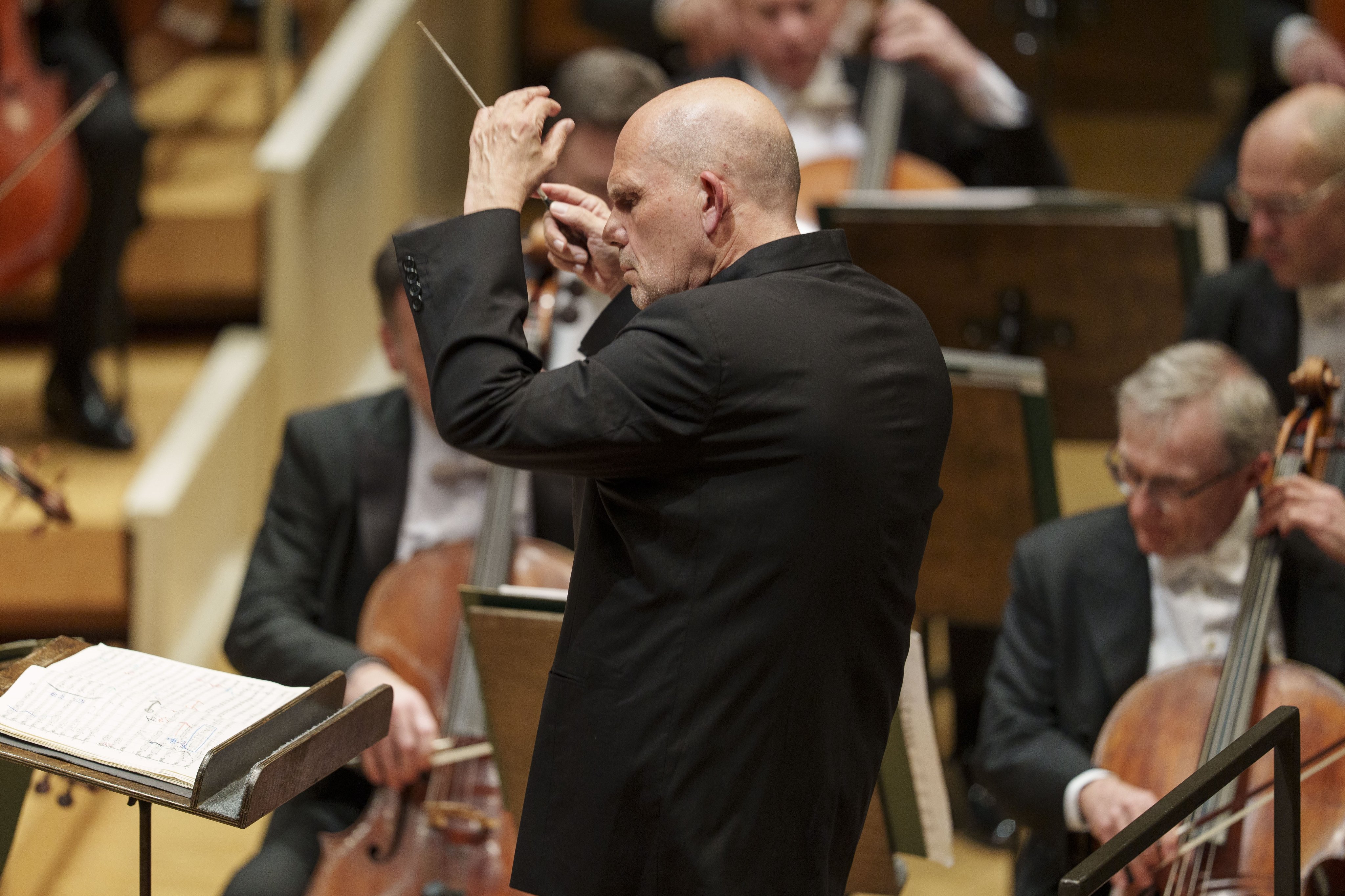
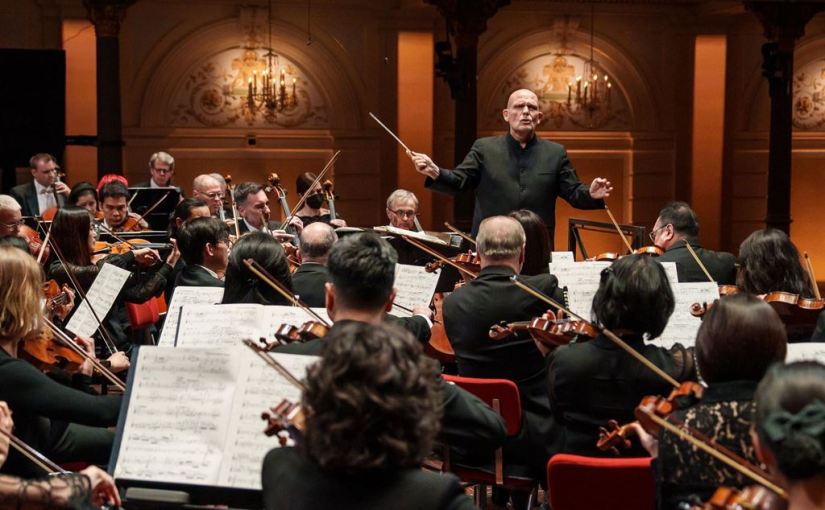
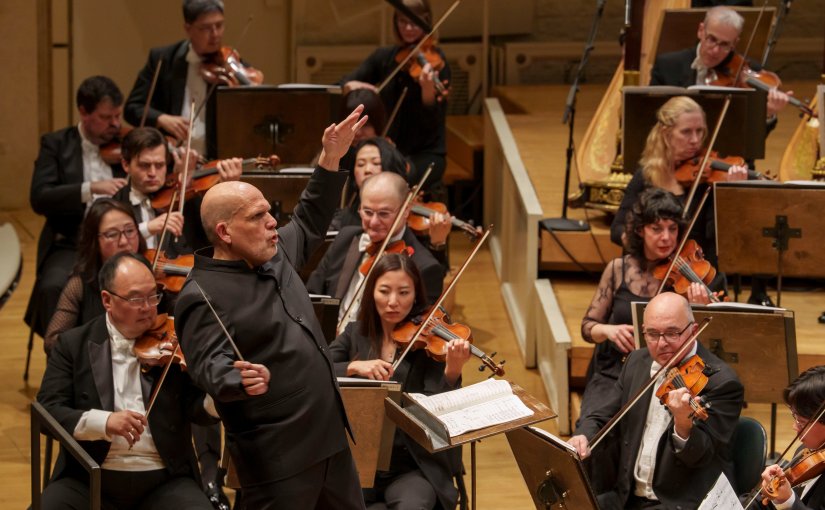
A palpable buzz filled Orchestra Hall on the afternoon of May 9th, as the Chicago Symphony Orchestra, led by Jaap van Zweden, launched into Mahler’s formidable Sixth Symphony. The Friday matinee had drawn a full house, and the performance that unfolded was a gripping study of control, power, and clarity. When the final movement’s infamous hammer blows fell, they did so with unflinching and devastating precision. The performance neither overstated Mahler’s deep ironies nor softened his stark vision.

This concert carried added weight: it marked the CSO’s final performance before their European tour, which included showcasing the Sixth and Seventh Symphonies at the prestigious 2025 Amsterdam Mahler Festival.

Continue reading Mahler’s many voices: how the CSO has shaped and been shaped by his music

Jaap van Zweden returns with a blazing Mahler Sixth

Jaap van Zweden returned to Orchestra Hall this week to lead the Chicago Symphony Orchestra in two commanding performances of Mahler’s Sixth Symphony. Whether by design or coincidence, this symphony has become something of a calling card for the Dutch maestro during his visits to Chicago. Van Zweden was on the podium the last two times the orchestra played the piece, and this time he not only led the work at home, but will also take it on tour to Amsterdam for the third Mahler Festival.

Mahler’s Sixth has long been shrouded in biographical myth—its popularity fed by the image of the composer as a death-haunted artist. This lens, while perhaps oversimplified, finds a potent anchor in the work’s unsettling musical language. The mythology would be nothing without the work’s infamous hammer blows in its final movement—strikes that have become almost synonymous with Mahler’s fatalism.

Continue reading Jaap van Zweden returns with a blazing Mahler Sixth

Mahler’s Third Symphony, Mäkelä’s emerging voice, and a thrilled Chicago audience

Mahler’s symphonies are always events. Whether performed in clusters, as they are this year, or—more typically—once or less per season, their size, length, and narrative sweep tend to position them at the beginning or end of something significant. Jaap van Zweden, who is leading the CSO in two Mahler symphonies this season—the Sixth and Seventh—ended his time with both the Dallas Symphony and the New York Philharmonic with the Second. Just last summer, Carlos Kalmar closed his tenure as Director of the Grant Park Music Festival with the Eighth. You get the idea.

This week, Klaus Mäkelä joined the CSO for two weeks of concerts, beginning with a single-work program: Mahler’s mammoth Third Symphony. And they have the feeling of “occasions”: Friday’s performance was nearly sold out, with only a few seats remaining on the main floor.

Continue reading Mahler’s Third Symphony, Mäkelä’s emerging voice, and a thrilled Chicago audience

CSO’s Mahler survey begins with a thrilling Seventh Symphony

Photo Credit: Todd Rosenberg

I keep finding my way back to performances of Mahler’s Seventh Symphony. It started in 2018, with a thrilling rendition by Carlos Kalmar and the Oregon Symphony. That performance roared. No, the Oregon Symphony isn’t a world-class orchestra, and subtlety wasn’t its strength. But they more than made up for it with heart and visible joy, especially as Kalmar and his players surged into the final bars of the fifth movement.

Last night, Jaap van Zweden was in town to open a mini-Mahler festival in Chicago. Over the next month, the Chicago Symphony Orchestra will perform three Mahler symphonies—the Seventh, Third, and Sixth—in a series of concerts. Van Zweden is leading the Seventh and Sixth, while Klaus Mäkelä, the CSO’s music director designate, will take the podium for the Third. Afterward, the orchestra heads out on a spring European tour featuring the Sixth and Seventh, including a stop at the third Mahler Festival in Amsterdam.

Continue reading CSO’s Mahler survey begins with a thrilling Seventh Symphony

Mahler, Bruckner, and a nose-picking moment of truth

Kirill Petrenko and the Berlin Philharmonic

If classical music had its own sacred pilgrimage, the Berlin Philharmonic would undoubtedly be its ultimate destination—a place where music reaches its zenith. Attending one of their concerts isn’t just hearing an orchestra; it’s an experience akin to standing in awe at the Vatican or Mecca. No matter what they’re playing, you simply need to hear them. I’ve been fortunate enough to witness their majesty twice, both times in Chicago. The first was Mahler’s 7th Symphony, and more recently, Bruckner’s 5th Symphony.

Bruckner’s 5th is often regarded as one of the composer’s most challenging works to comprehend. It unfolds gradually over three movements, creating the impression of an extended prelude. Much like the nearly two-hour Act I of Götterdämmerung, this prelude seems to build toward something profound and otherworldly. By the time listeners reach the fourth and final movement, the stage is ready for something monumental. Bruckner delivers a masterful synthesis of earlier themes. This is woven into a fusion of forms and structures. It approaches his vision of the heights music can reach.

Continue reading Mahler, Bruckner, and a nose-picking moment of truth

Kahchun Wong’s musical alchemy: Beethoven and Mahler in perfect harmony

Photo Credit: Carlin Ma

Also published at Seen and Heard International

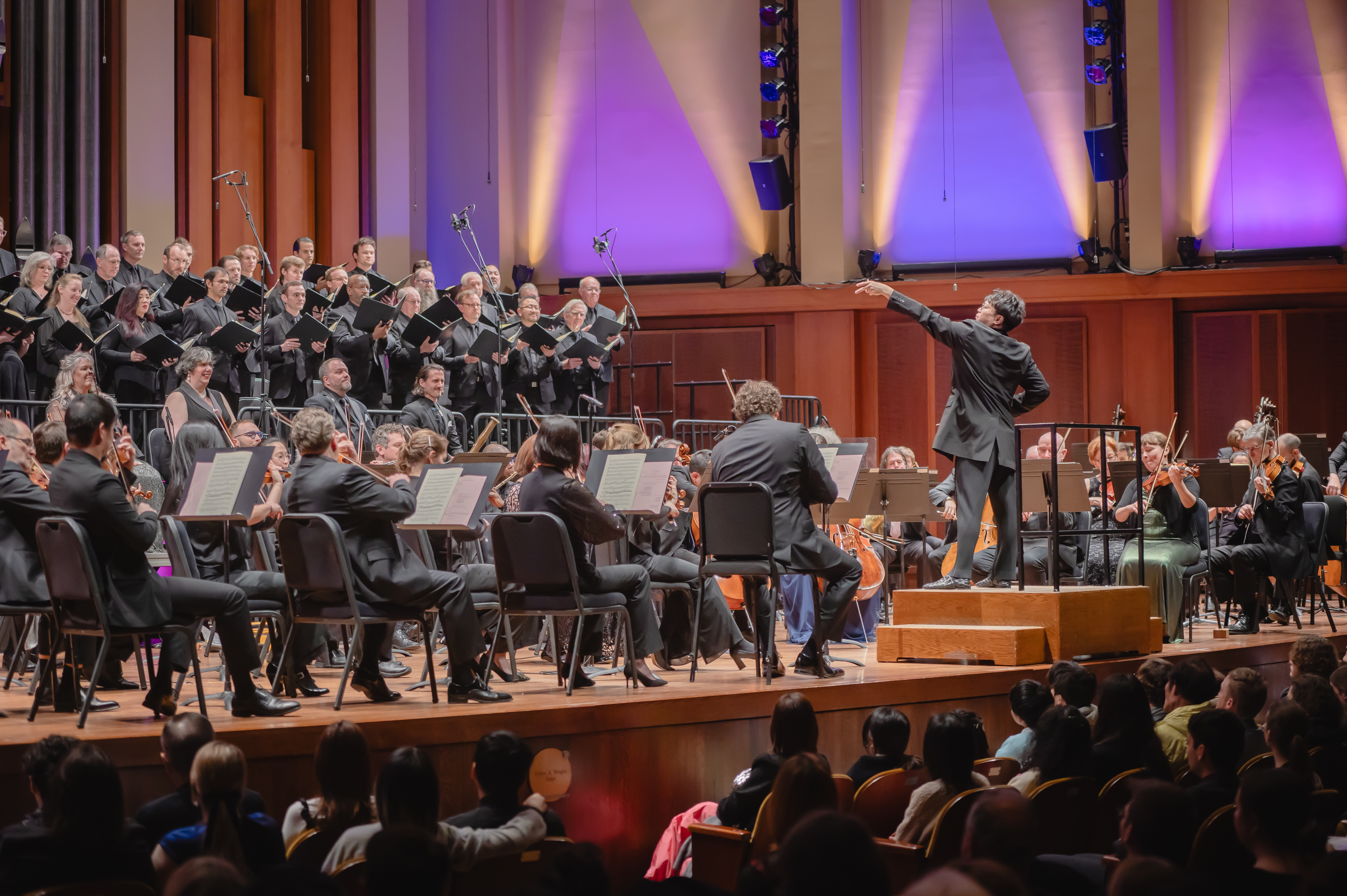
Anticipation crackles in the air, thick like summer lightning before the storm breaks.  A hush descends, settling over an expectant audience.  Every cough or rustling program feels like a desecration. At the podium, conductor Kahchun Wong stands at the edge of creation – shoulders squared, back straight, baton held aloft.  A moment’s pause, pregnant with possibility, his hand dips, slow and deliberate, tracing the first stroke of a masterpiece – Beethoven’s Ninth Symphony.

For sixty minutes Beethoven’s motifs ebb and flow, a struggle between light and shadow, order and chaos.  Wong, a captain at the helm, guides the orchestra through the tempestuous waves.  His every gesture framing the music’s path: joy, anguish, defiance, triumph.  

By the end, Wong succeeded in taking the audience gathered at Benaroya Hall on a journey they would not soon forget.  Wong conducted four performances from December 28th to 31st.  Most years, Seattle’s traditional end-of-December performances of Beethoven’s Ninth are an afterthought for devoted concertgoers.  They’re reliable revenue generators – and who doesn’t like a little uplift and possibility of Beethoven’s Magnum Opus (or one of them) to ring in the New Year?  

Continue reading Kahchun Wong’s musical alchemy: Beethoven and Mahler in perfect harmony