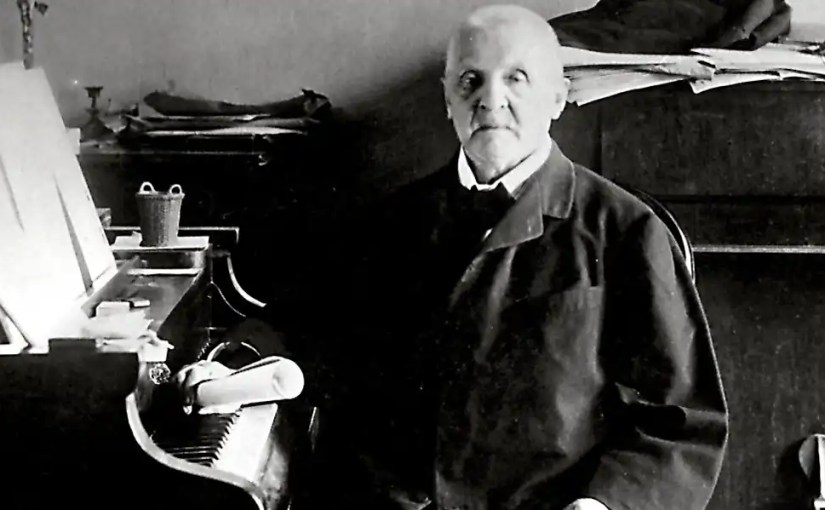
Four Bruckner concerts and one conclusion

Anton Bruckner has never resonated with me the way Mahler has. I don’t seek out his symphonies with any particular enthusiasm. When the mood strikes, I’ll put on a recording and settle into my listening chair, letting the music unfold. Friends speak of transcendence; I’m still trying to find my way in. Yet even if Bruckner has not quite claimed me, my relationship with him has been shaped less by the scores themselves than by the circumstances in which I’ve encountered them. In the few times I’ve heard Bruckner in concert—only three over many years—each performance has stayed with me for reasons that extend beyond the music.

The first was Kurt Masur’s Seattle Symphony account of the Fourth Symphony, which arrived during a crisis moment for the orchestra, with musicians and administration locked in a bitter contract negotiation. Masur’s presence steadied the ensemble, drawing out playing of real warmth and authority; the performance felt like an act of institutional reassurance as much as musical interpretation. A few years later in Minneapolis, I attended what turned out to be Stanislav Skrowaczewski’s final public concert: a compelling reading of the Eighth that ranks among the most engaging concert experiences I’ve had. The lobby that evening was bittersweet—staff were selling off overstock of Skrowaczewski’s recordings. His iconic Vox albums and copies of his celebrated Bruckner Ninth with Minnesota spread across tables while staff shared anecdotes of the man they knew as “Stan.” I’ve wondered since whether he knew it would be his last appearance.
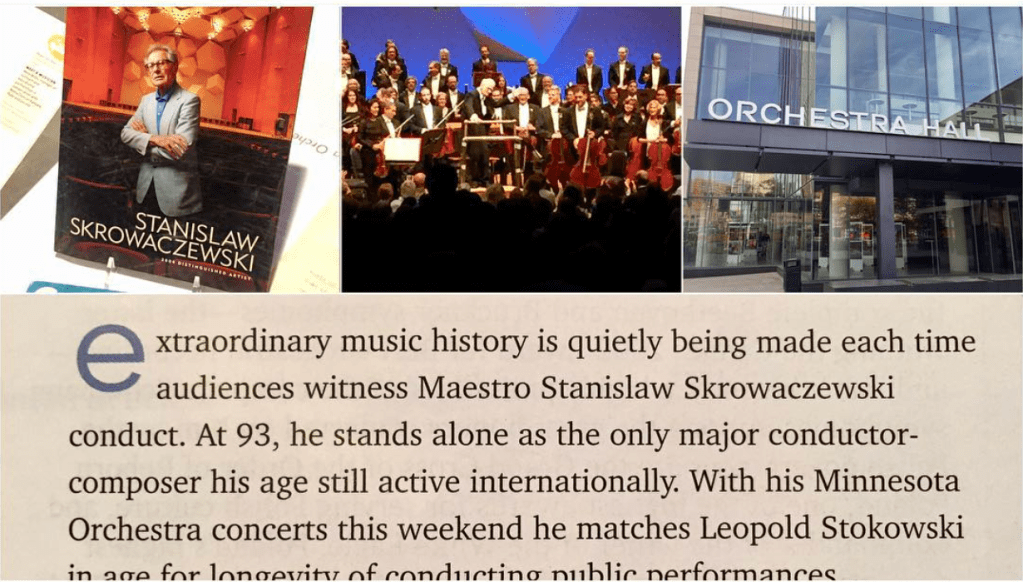
Against that backdrop, my most recent Bruckner encounter carried a different kind of significance. The Berlin Philharmonic brought the Fifth Symphony to Chicago as part of their U.S. tour, and the atmosphere of the night was driven as much by the presence of the Berliners as by the score itself. This was a case where the orchestra’s superlative playing elevated music that doesn’t fully connect with me. I’ve now heard the Berlin Philharmonic twice at Orchestra Hall; both times their sheer quality has made me want to hear them in Berlin.

Continue reading Four Bruckner concerts and one conclusion
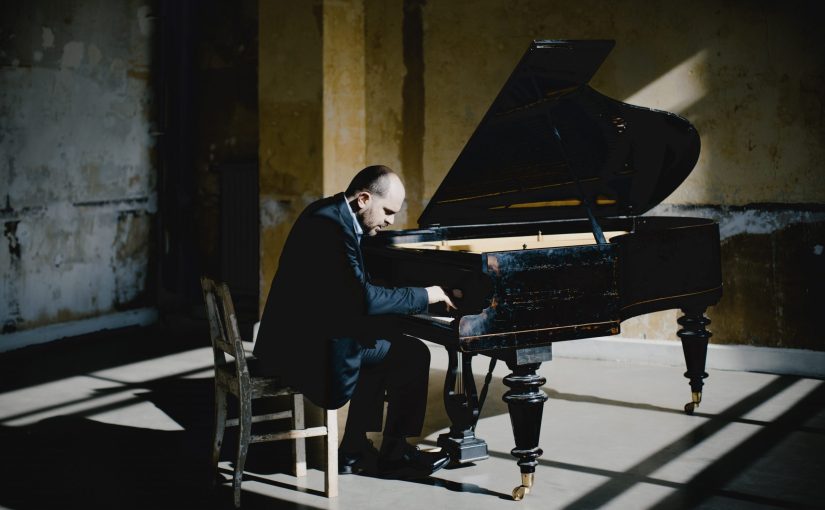
Liszt and Brahms become a refuge in Kirill Gerstein’s Chicago recital

Moments before Kirill Gerstein took the stage Sunday afternoon at Orchestra Hall, the sounds of the city were not those of a typical pre-concert bustle. Along Michigan Avenue, marchers were demanding accountability from ICE for the killing of Alex Pretti in Minneapolis. I’ve seen plenty of protests over the years; I remember Occupy Wall Street supporters taking over a community college campus near my Seattle apartment in 2011, and the summer of 2020 when the Capitol Hill Occupied Protest (CHOP) was established in the heart of Seattle’s Capitol Hill neighborhood in the wake of George Floyd’s murder. 

Yet, I cannot recall a moment where the two disparate parts of my life — politics and music — came so close to intermingling. For a brief time, I questioned whether I should abandon Gerstein’s recital to join the march for the justice and fair treatment that remains so elusive in 2026.

Continue reading Liszt and Brahms become a refuge in Kirill Gerstein’s Chicago recital

Waiting for summer and the Grant Park Orchestra

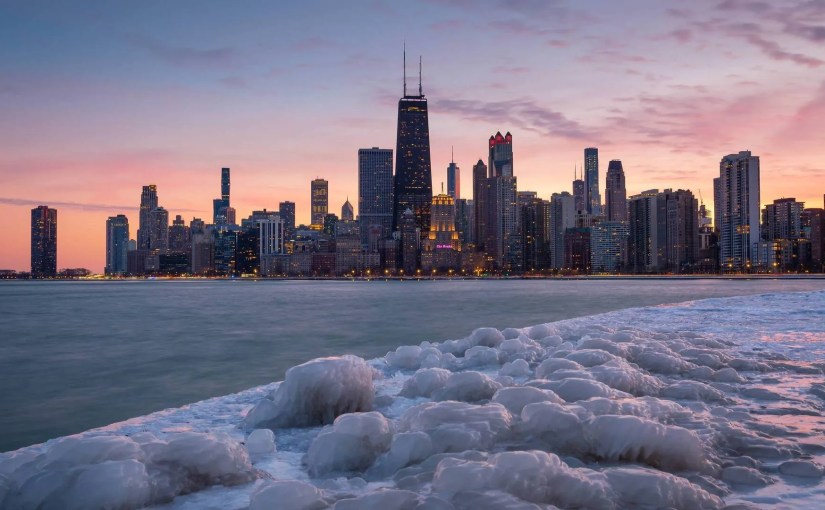
It is cold in Chicago—objectively, adamantly cold. An Arctic front has settled over the city, wrapping it in a willful chill. I find myself staying indoors as much as possible, venturing out only tomorrow to Symphony Center to hear Kirill Gerstein in the SCP piano series. Gerstein has long struck me as a connoisseur of the recondite and the new. His recording of Busoni’s Piano Concerto remains a marvel, and he has been a tireless champion of Thomas Adès. To encounter him in a more traditional program of Liszt and Brahms promises a kind of illumination, the way a familiar landscape can appear unfamiliar when seen from a different vantage point.

The cold has also given me time to begin The Brothers Karamazov as part of my Lenten preparation. Lent is still weeks away, but I read slowly, and the novel’s sprawl requires an early start. In the same unhurried hours, I have finally studied the Grant Park Music Festival’s summer lineup. Summer seems impossibly distant amid the present freeze, but its promise already feels restorative. Giancarlo Guerrero, now in his second season as artistic director and principal conductor, has assembled a season of considerable ambition.

Continue reading Waiting for summer and the Grant Park Orchestra