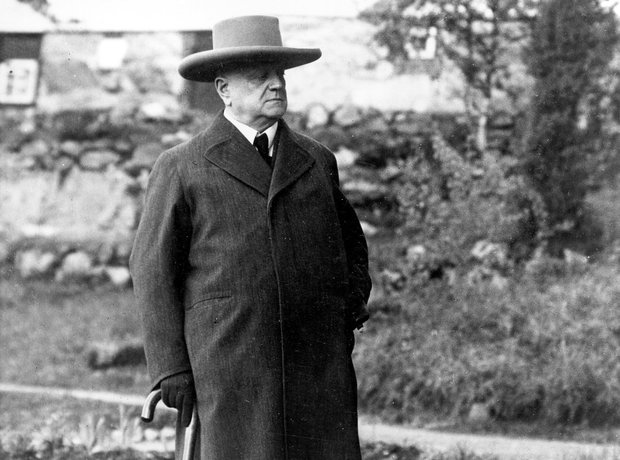
This week, Chicago audiences will have the chance to hear one of the world’s foremost violinists, Christian Tetzlaff, take on Sibelius’ haunting Violin Concerto with the Chicago Symphony Orchestra. Under the baton of David Afkham, the program also features Schoenberg’s Pelléas und Melisande, a lush, late-Romantic tone poem that offers a fascinating contrast to the modernist reputation Schoenberg would later cultivate. This performance also takes on added meaning—especially in the wake of the devastating Los Angeles fires that tragically destroyed portions of the Schoenberg archives.
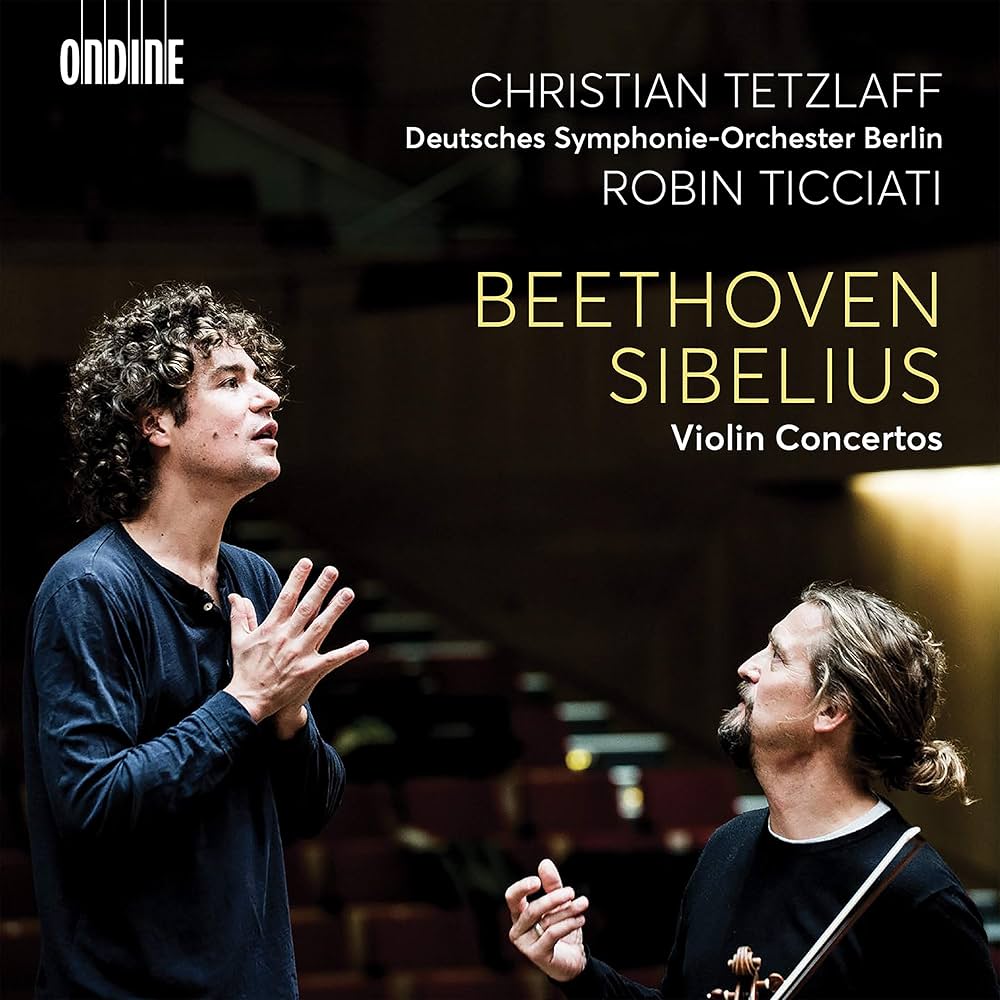
Leading the program is the German violinist Christian Tetzlaff. Regarded as one of the leading violinists of our time, Tetzlaff has recorded nearly all the major works in the violin repertoire including the Sibelius Violin Concerto (twice). His first recording of the concerto with the Danish National Symphony Orchestra set a new performance standard. It was marked by a tasteful and slightly detached approach that never compromised on technical precision. His second recording, while arguably superior in both execution and sound quality, feels more like a showcase of his extraordinary virtuosity than an attempt to offer a fresh interpretative perspective.
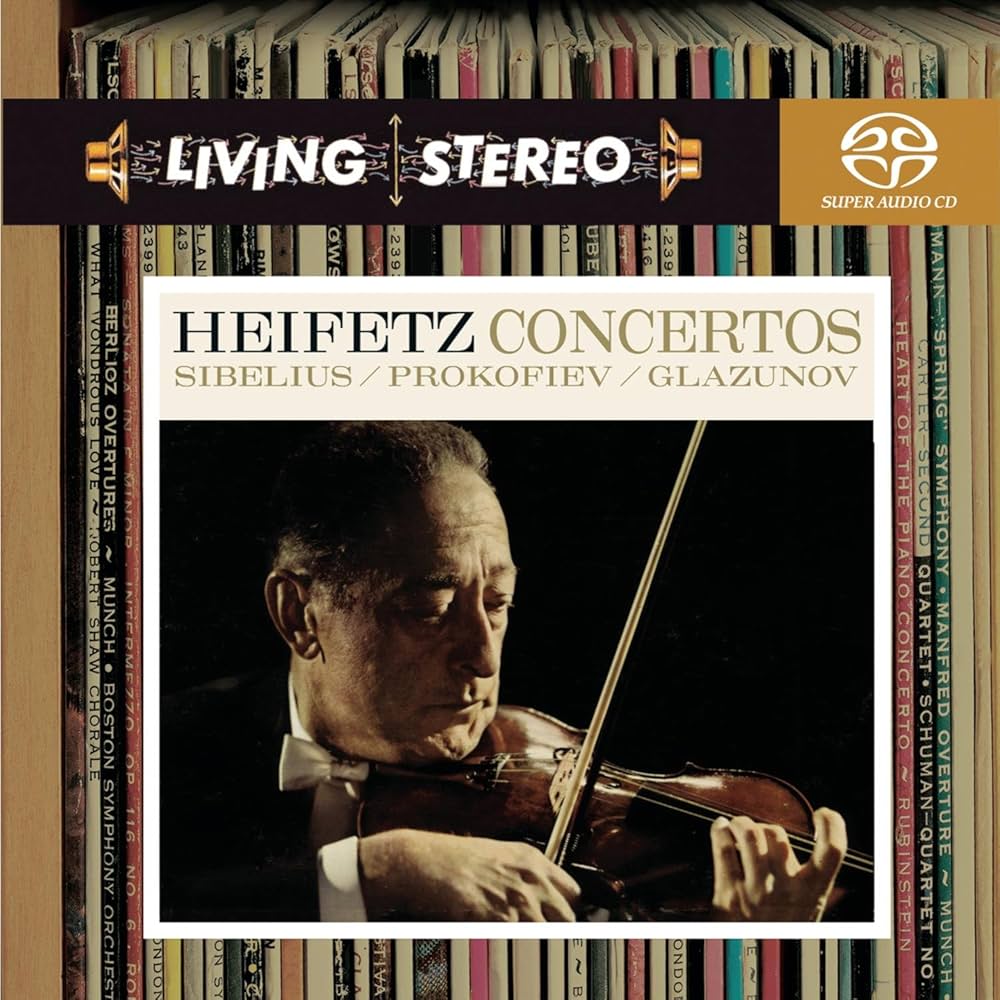
The Chicago Symphony Orchestra is no stranger to the concerto either. The piece has been a regular presence on the Orchestra Hall stage, and the orchestra produced two excellent recordings of the work. Both have remained in the catalog in one form or another. The most famous of these is Jascha Heifetz’s recording with the CSO under Walter Hendl. Heifetz’s playing is intense and commanding. Unlike Tetzlaff’s more restrained approach, Heifetz plays with complete emotional commitment. And like Tetzlaff’s second recording, this recording is more about Heifitz’s virtuosity than the orchestra’s contribution. The CSO provides solid accompaniment, but it largely remains in the background rather.
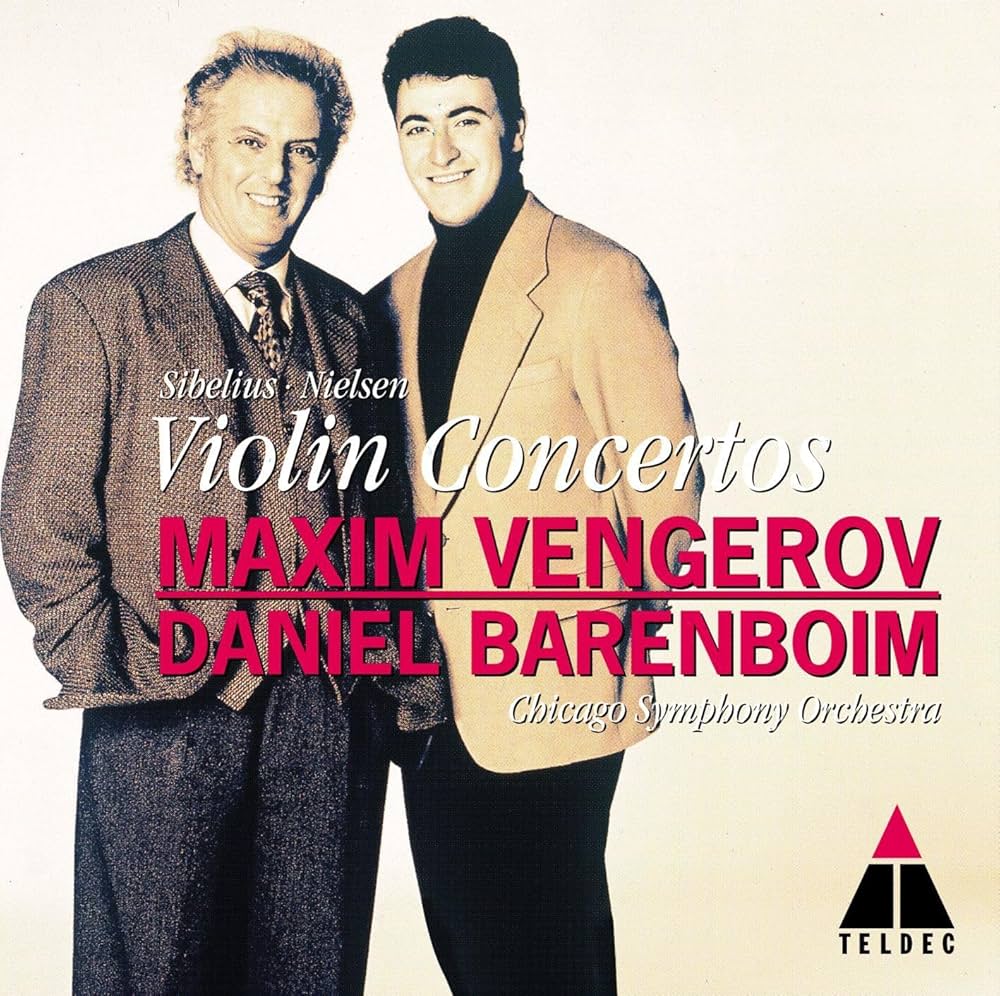
The CSO’s other notable recording of the concerto comes from Maxim Vengerov and Daniel Barenboim. This recording initially surprised me when I first listened to it. I purchased the album for the Nielsen Violin Concerto, but the Sibelius quickly became a personal favorite. Vengerov’s interpretation is dark and brooding, bringing a weighty intensity to the solo violin part. Barenboim isn’t known as a Sibelian, but he matches Vengerov with a lush, flowing orchestral accompaniment. It shares the same romantic approach as the Heifitz-Hendl recording but is executed with greater flexibility and benefits from superior recording quality.
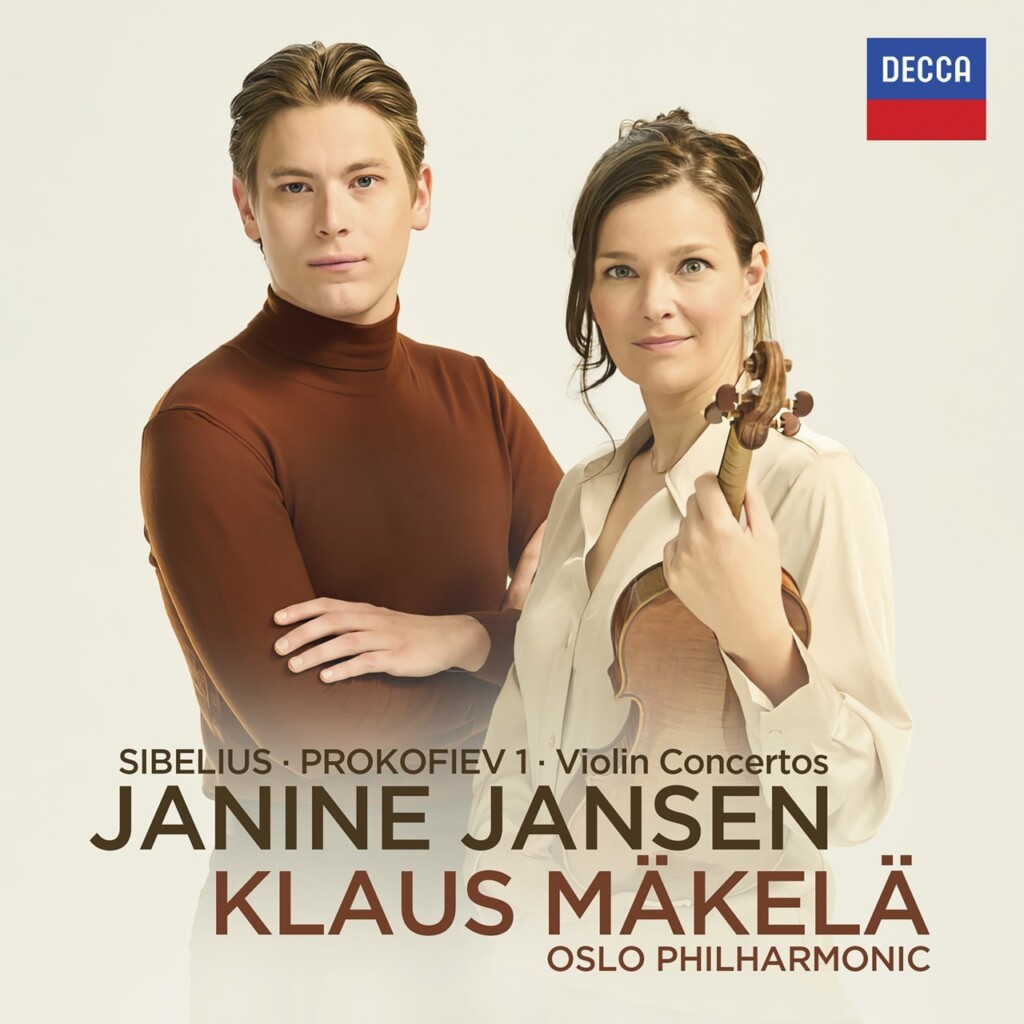
Another recording worth noting is the recent one by Klaus Mäkelä and Janine Jansen with the Oslo Philharmonic. While Mäkelä is not yet the Chicago Symphony Orchestra’s music director, his work on this recording gives a strong indication of what he might bring to the Windy City. Jansen is, unsurprisingly, the focal point of the performance, delivering an expansive interpretation. The orchestral support is just as noteworthy—Mäkelä draws a rich, atmospheric sound from the Oslo Philharmonic that feels completely in line with the Sibelius idiom.
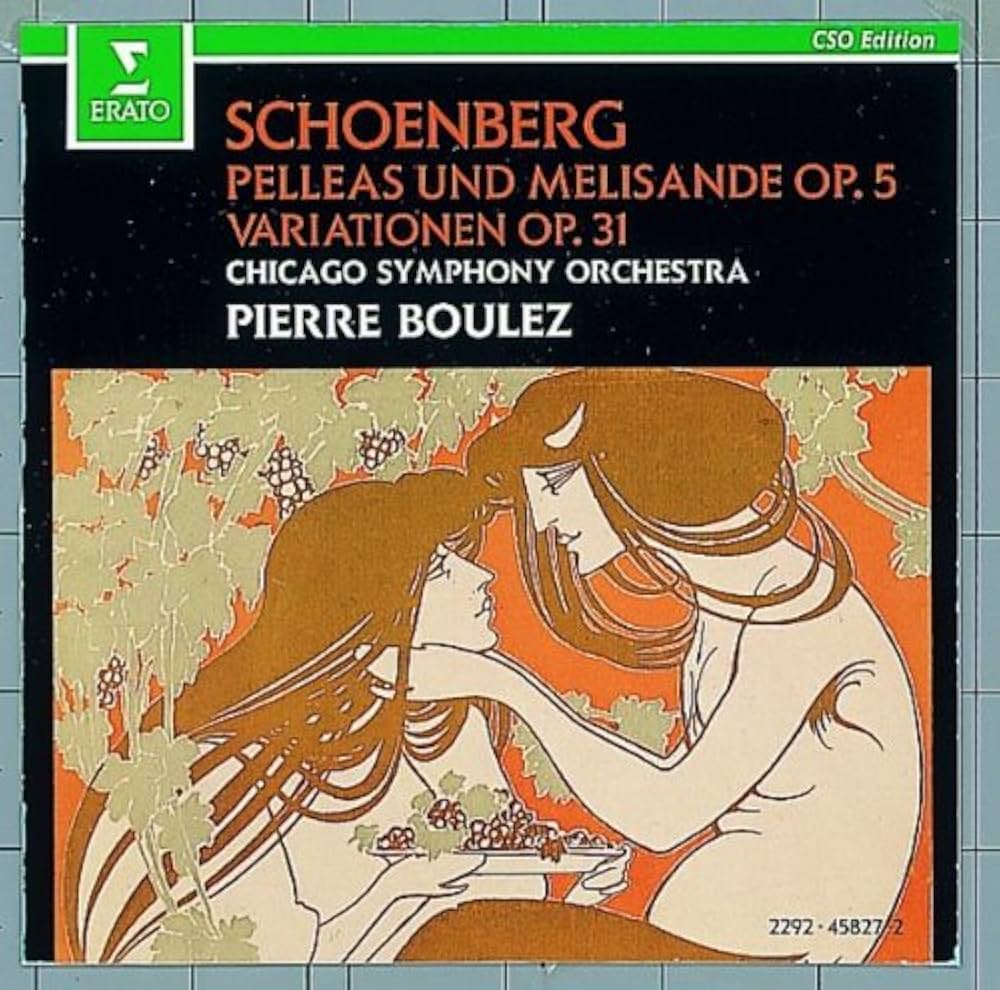
One final note: the main reason I’ll be at this concert is to hear Pelléas und Melisande. I’ve been revisiting Schoenberg’s music lately after reading Harvey Sachs’ concise but insightful biography of the composer. Pierre Boulez’s interpretation with the CSO is one recording that stands out for me. Boulez’s analytical approach clarifies the dense textures of Schoenberg’s score, allowing intricate details to emerge. While he doesn’t lean into an overtly romantic style, the CSO still provides the depth and richness with their playing needed to make the piece truly effective.
Discover more from Gathering Note
Subscribe to get the latest posts sent to your email.
 Gathering Note